How an Animal Hospital Protects Your Pet From October Hazards
How an Animal Hospital Protects Your Pet From October Hazards
October in Alpharetta brings crisp air, vibrant leaves, and plenty of seasonal festivities. While fall is a favorite time for many families and their pets, it also introduces unique hazards that can put your dog or cat at risk. From tempting Halloween treats and unpredictable weather to changes in outdoor activity routines, pet owners have several new concerns to manage this month. At Alpharetta Animal Hospital, our team of veterinarians is dedicated to helping you identify and avoid these October dangers, ensuring your pet stays healthy and happy throughout the season. If you have ever searched for an “animal hospital” in Alpharetta or wondered how local veterinary teams keep pets safe during this busy month, you are in the right place. In this guide, we will explore what makes October risky for pets, which problems our veterinary professionals see most often, and what steps you can take at home and with your veterinarian’s help to protect your four-legged family members.
Recognizing October Hazards for Pets
As the calendar turns to October, many pet owners notice changes in their pet’s behavior and environment. Increased rainfall can lead to muddy yards and slippery sidewalks, while milder temperatures may encourage more walks or trips to the dog park. However, these changes also bring new challenges. Key seasonal hazards include an uptick in Halloween candy and decorations around the house, as well as plants, mushrooms, and yard debris that your pet may encounter during fall clean-up. Additionally, the shift in weather patterns can aggravate existing health conditions or introduce new risks, especially for pets with allergies or joint issues.
Signs that your pet might be affected by October-specific risks include sudden vomiting or diarrhea after sneaking candy or food scraps, limping or reluctance to go outside due to wet, cold ground, or increased scratching and chewing from allergies triggered by mold or decaying leaves. If you notice swelling around the face, difficulty breathing, or extreme lethargy, these may be signs of a more serious reaction and warrant immediate attention from your animal hospital.
Why October Is a Risky Month for Dogs and Cats
Understanding what makes October hazardous helps pet owners stay a step ahead. Halloween is the most obvious source of risk, as pets may access chocolate, sugar-free candies containing xylitol, or decorations that are choking or intestinal blockage hazards. Trick-or-treating brings a parade of visitors to your door, which can be stressful for anxious pets or create opportunities for escape. Cooler, wetter weather leads to the growth of mushrooms and other fungi in lawns and parks, some of which can be toxic if ingested.
Additionally, October’s fluctuating temperatures can make it difficult for pets to regulate their body heat, particularly for young, elderly, or short-haired animals. Rain and mud can contribute to ear infections, skin irritations, or exacerbate conditions such as arthritis. Many families also use this time to prepare their homes and yards for winter, increasing the risk of pets encountering antifreeze, fertilizers, or sharp tools left within reach.
How an Animal Hospital Protects Your Pet
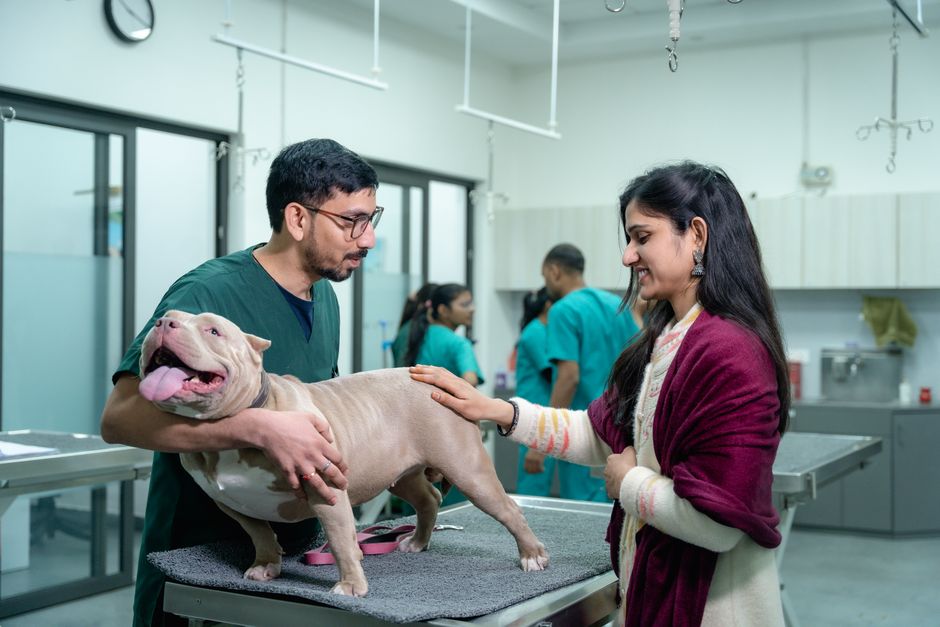
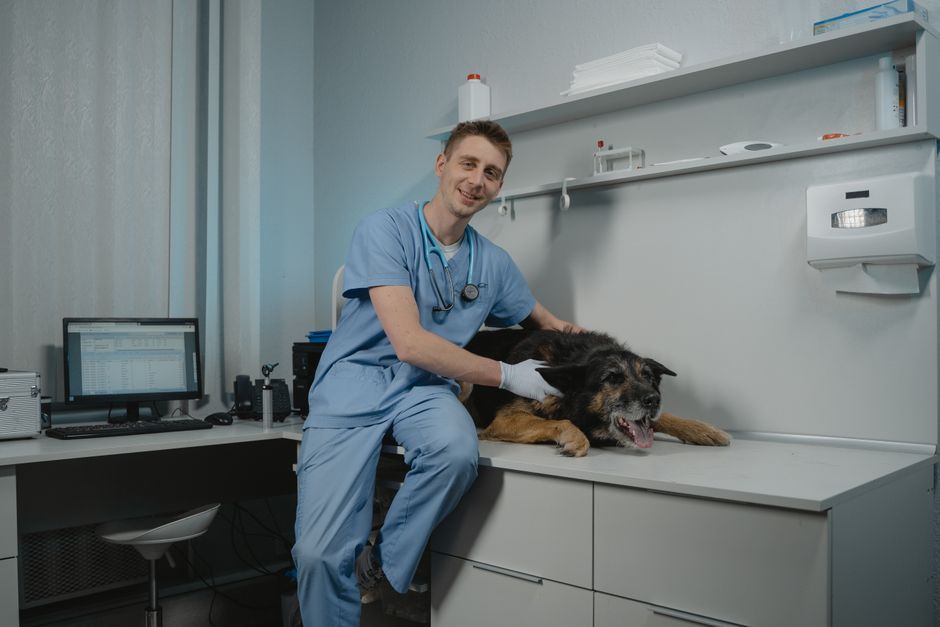
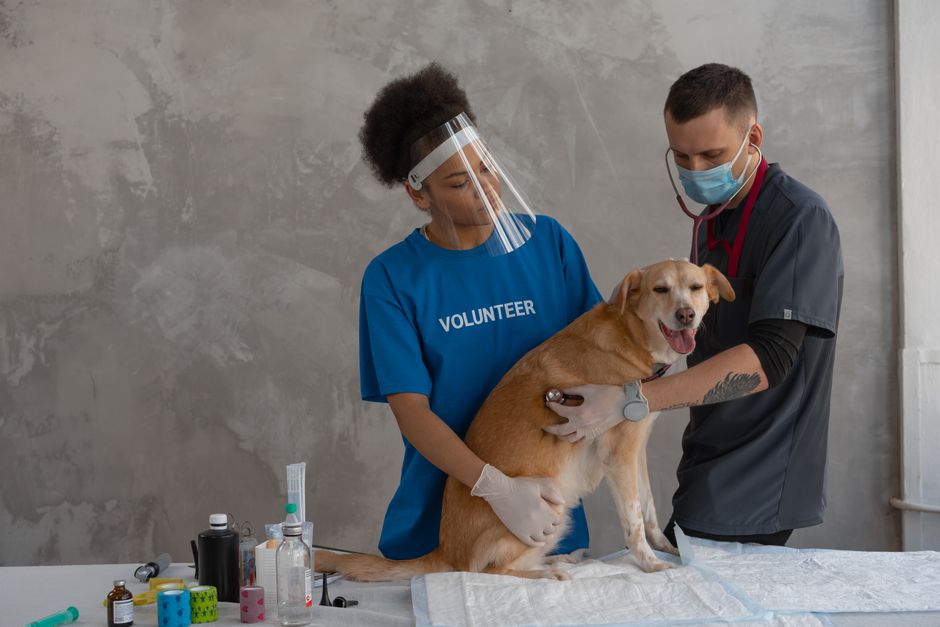
Veterinary professionals at Alpharetta Animal Hospital play a crucial role in keeping your pets safe throughout October. Our comprehensive approach starts with preventive care, including routine wellness examinations to detect and address potential problems before they become emergencies. During your pet’s visit, our veterinarians can discuss specific seasonal risks, such as the dangers of Halloween treats or how to manage allergies triggered by fall foliage.
Our animal hospital is equipped to diagnose and treat a wide range of October-related issues. For example, if your pet ingests something toxic, our diagnostic laboratory can quickly identify toxins, while our emergency veterinary care team is ready to provide prompt treatment for poisonings or injuries. If your dog or cat develops a limp or skin problem after outdoor play, we offer digital radiology and dermatological care to pinpoint and resolve the issue.
For ongoing protection, our veterinary team may recommend vaccination updates or wellness examination appointments. These visits help monitor your pet’s overall health and provide an opportunity to tailor preventive care to your pet’s unique needs as the seasons change. If you have questions about your pet’s exposure to allergens, mushrooms, or other fall hazards, our veterinarians are always here to help.
Prevention and Home Care Tips for a Safe October
Pet owners can take several practical steps at home to reduce October dangers. Keep all Halloween candy, wrappers, and decorations out of your pet’s reach, and remind children to do the same. Supervise outdoor play, especially after rain, to prevent your pet from eating mushrooms, acorns, or yard debris that may be toxic. Wipe your pet’s paws and belly after walks to remove mud, allergens, and chemicals that could cause skin irritation or be ingested during grooming.
Monitor your pet for signs of discomfort, such as limping, persistent scratching, or changes in appetite and behavior. If your pet is prone to allergies or joint issues, ask your veterinarian about supplements or medications to improve comfort during the damp, chilly days of fall. For pets with a history of digestive upset, consider feeding smaller, more frequent meals and avoid offering table scraps or new treats during the holiday season.
Regular check-ups are especially important this time of year. Schedule a wellness examination if your pet has not seen a veterinarian recently, and talk to our veterinary team about vaccination services that may be due as the weather changes. Heartworm testing and parasite prevention are also vital, as mosquitoes and other pests can remain active longer in our mild Georgia climate.
When to Seek Veterinary Care at an Animal Hospital
Knowing when to call your animal hospital can make all the difference for your pet’s safety. Contact your veterinarian immediately if your dog or cat eats chocolate, sugar-free candy, mushrooms, or any unknown substance. Symptoms such as vomiting, diarrhea, tremors, difficulty breathing, pale gums, or sudden collapse require urgent veterinary attention. For non-emergency concerns—such as mild itching, occasional limping, or changes in behavior—it is best to schedule an appointment promptly, as early intervention often leads to better outcomes.
If your pet is experiencing an urgent illness or injury, Alpharetta Animal Hospital provides emergency veterinary care during regular business hours. For less immediate concerns or routine preventive care, our veterinary professionals are happy to answer your questions and help you plan the next steps for your pet’s health.
Supporting Your Pet’s Health All Season Long
October can be a wonderful time for pets and families in Alpharetta and surrounding communities when you are armed with the right information and support. By staying alert to seasonal hazards, taking preventive measures at home, and working closely with your animal hospital, you can keep your pet safe from the unique risks this month brings. Remember, our team at 80 Milton Avenue, Alpharetta, GA 30009 is always here to provide guidance, answer questions, and deliver the highest quality veterinary care.
If you are searching for a “vet near me” who truly understands local pet health concerns, look no further than Alpharetta Animal Hospital. To schedule your pet’s wellness examination, update vaccinations, or get advice about October hazards, call us at (770) 475-7613. Our veterinary team looks forward to helping your pet enjoy a safe, healthy, and happy autumn. For more information about our services, visit our website or ask about our comprehensive pet exams and vaccination offerings at your next appointment. Your pet’s wellbeing is our priority now and throughout every season.