Cold Weather Care Tips for Pets in Alpharetta
Cold Weather Care Tips for Pets in Alpharetta
As chilly March days bring damp weather to Alpharetta, it is natural for pet owners to worry about keeping their dogs and cats warm, safe, and healthy. While Georgia may not see the deep freezes of the north, our region’s cold snaps and rainy spells can still pose real challenges for pets, especially those who are young, senior, or have underlying health issues. At Alpharetta Animal Hospital, located right in the heart of 80 Milton Avenue, Alpharetta, GA 30009, our veterinary team is dedicated to helping you protect your furry family members during the colder months. In this guide, you will discover how to recognize when your pet is struggling with the cold, understand why these issues arise, and learn practical steps to keep your pet comfortable and healthy—whether you are at home or considering services like grooming or boarding. We will also explain when a visit for a wellness exam is the best next step for your pet’s winter health.
Recognizing Cold Weather Problems in Alpharetta Pets
Cold and damp conditions are not just uncomfortable; they can actually put pets at risk for several health concerns. Knowing what to watch for can make all the difference in catching problems early and ensuring your pet stays cozy and well.
Signs Your Pet May Be Uncomfortable or Unwell
Common signs that your dog or cat may be struggling with chilly weather include shivering, seeking extra warmth, reluctance to go outside, or changes in behavior such as increased whining or hiding. You might notice your pet curling up tightly in their bedding, hesitating at the door on rainy days, or showing less enthusiasm for walks or play. Additionally, symptoms like limping, dry or cracked paw pads, and even mild coughing can all indicate that the cold is affecting your pet more than you might expect. For pets with arthritis or joint issues, cold dampness often makes stiffness and discomfort more pronounced, so you might see them moving more slowly or having trouble climbing stairs.
When Are Pets Most at Risk?
Certain pets are especially vulnerable to cold-related problems. Puppies and kittens, senior animals, and those with thin coats or underlying health conditions require extra vigilance. Breeds with fine hair or little body fat, such as greyhounds or some short-haired cats, can become cold much more quickly than their thick-coated counterparts. Even indoor pets are not immune—a drafty room or cold tile floor can be enough to make sensitive pets uncomfortable.
Why Does Cold, Damp Weather Affect Pets?
Understanding why pets are sensitive to cold and wet conditions can help you make informed decisions as a pet owner.
The Science Behind Pets and Cold Stress
Pets, like people, regulate their body temperature through a combination of fur insulation, body fat, and behavior. When temperatures drop, their bodies work harder to stay warm. Rain and dampness compound the problem by drawing heat away from the body and making it more difficult for coats to provide effective insulation. This is especially concerning in Alpharetta’s variable springtime climate, where a sunny afternoon can quickly turn into a chilly, drizzly evening.
For pets with chronic conditions such as arthritis, cold weather can trigger inflammation and joint pain, reducing mobility and making daily activities uncomfortable. Additionally, indoor heating can dry out the air, leading to itchy skin and dull coats, while wet outdoor conditions increase the risk of fungal skin infections and muddy paws that can bring bacteria indoors.
The Impact of Lifestyle and Routine
Pets who spend a lot of time outdoors, even just for bathroom breaks, are exposed to the elements more directly. For many dogs, skipping walks due to bad weather leads to pent-up energy and behavioral issues. Meanwhile, cats who normally venture outside may become bored or stressed if forced to stay indoors for days at a time. Changes in activity and routine can affect both physical and mental health, so it is important to adapt your pet’s care during the colder months.
How Alpharetta Animal Hospital Supports Your Pet in Cold Weather
Your pet’s comfort and safety are always our top priority. Our comprehensive veterinary services are designed to support all aspects of your pet’s health, especially when the weather takes a turn.
Professional Wellness Examinations and Preventive Care
Scheduling a wellness examination is one of the best ways to ensure your pet is ready to handle colder, wetter weather. During these visits, our veterinary team checks for early signs of arthritis, skin issues, and other seasonal concerns. We also discuss your pet’s lifestyle, nutrition, and any changes in behavior you have noticed, tailoring preventive strategies to your pet’s specific needs.
Grooming and Hygiene for a Healthy Winter Coat
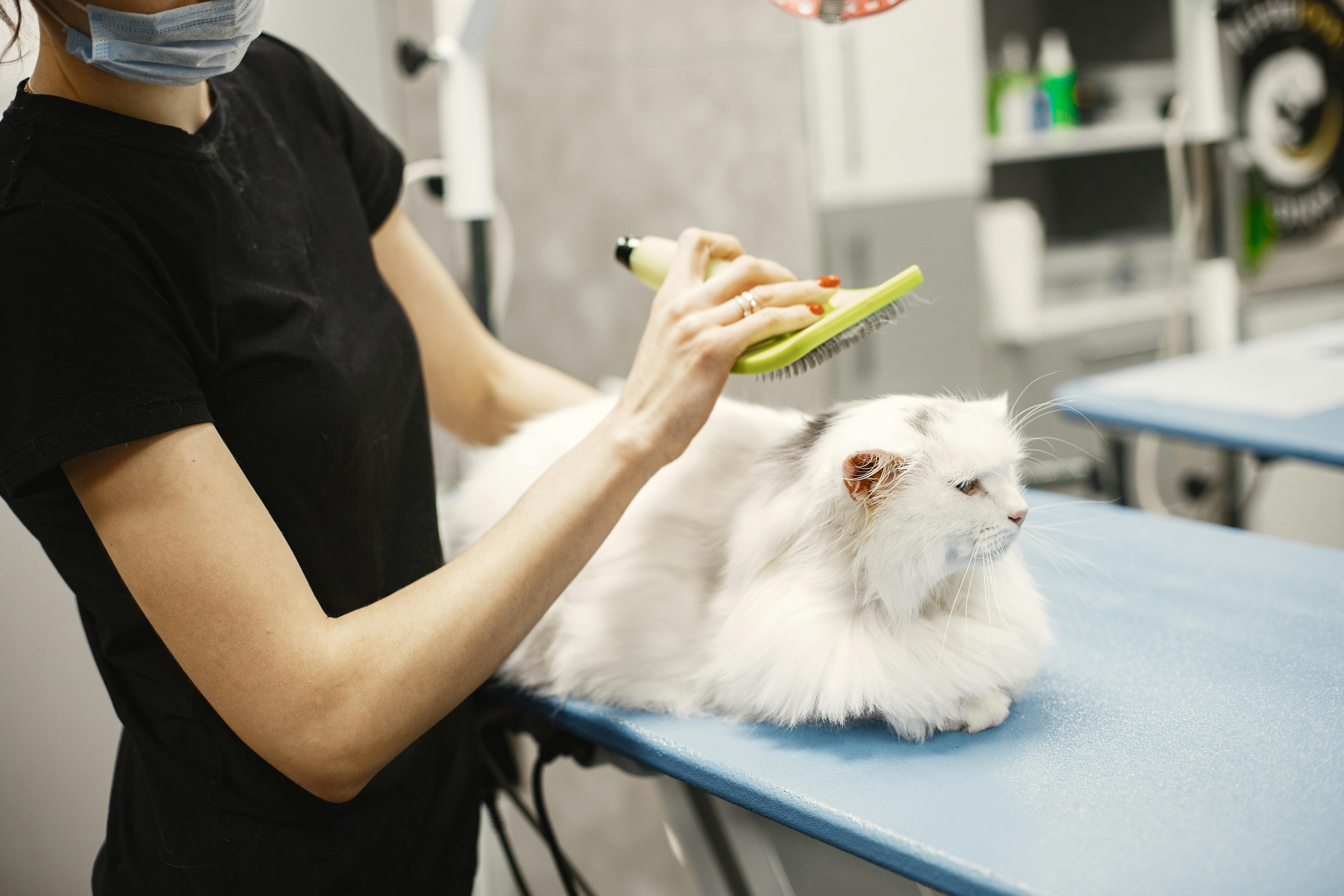
A well-maintained coat is crucial for temperature regulation. Our grooming and bath services help remove excess dirt, dead hair, and mats that can reduce the insulating properties of your pet’s fur. Regular grooming also gives our team the chance to check for skin irritations or infections that can worsen in damp weather. Clean, dry fur dries faster after outdoor adventures, making it easier for your pet to warm up when coming inside.
Safe and Comfortable Boarding
If you need to travel during the colder months, our professional pet boarding services offer a warm, supervised environment for your pet. Our facilities are designed to keep pets cozy, with climate-controlled spaces and attentive care from our trained veterinary professionals. This can be especially reassuring for pets who might otherwise be left in drafty or unsupervised settings.
Diagnostics and Advanced Care
For pets experiencing unexplained symptoms—such as persistent limping, coughing, or lethargy—our in-house diagnostic laboratory and advanced imaging options allow us to quickly identify underlying health concerns. Timely diagnostics mean we can start treatment sooner, improving your pet’s comfort and outcome during challenging weather.
Keeping Your Pet Comfortable at Home
While professional veterinary care is essential, many steps you take at home can go a long way toward keeping your pet happy through Alpharetta’s cold and rainy season.
Home Care Strategies for Dogs and Cats
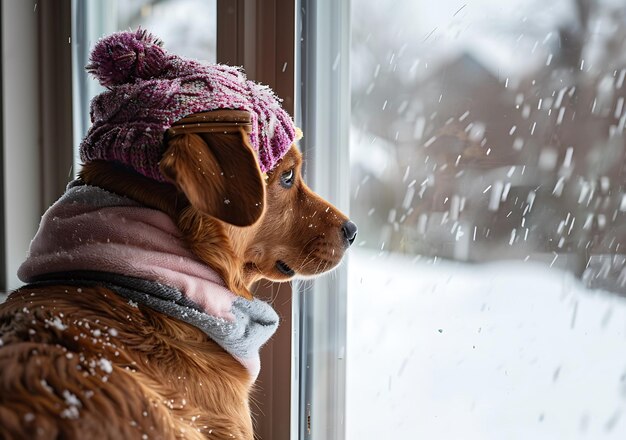
Keeping your pet indoors as much as possible during cold snaps is the simplest way to avoid cold stress. When outdoor trips are necessary, try to keep them brief and always dry your pet thoroughly afterward, paying special attention to their paws and belly. A cozy, draft-free sleeping spot is important—beds should be placed off cold floors, away from doors or windows where chilly breezes sneak in. For pets who are especially sensitive to the cold, consider pet-safe sweaters or coats for added warmth during walks.
Maintaining a regular grooming routine at home also helps by removing mud, debris, and excess moisture from fur. Check paws for cracks or irritation caused by cold, damp ground. Some owners find that using a humidifier indoors can help prevent dry, itchy skin during heating season.
For mental stimulation, increase indoor playtime with toys or food puzzles when walks are less frequent. Cats may enjoy window perches or interactive play to reduce stress if outdoor time is limited.
Nutrition and Hydration
Cold weather can increase your pet’s energy requirements, especially for dogs who spend time outdoors. Make sure your pet is receiving a balanced diet appropriate for their age, activity level, and health status. Always provide fresh water, as indoor heating can lead to dehydration just as quickly as summer heat.
When to Call the Veterinarian: Warning Signs in Cold Weather
Knowing when to seek veterinary care is vital for your pet’s safety. If you notice symptoms such as ongoing shivering, labored breathing, persistent limping, significant changes in appetite, or lethargy that does not resolve with rest, it is time to call your veterinarian. Sudden mobility problems in senior pets, unexplained coughing, or signs of skin infection like redness, swelling, or oozing should also prompt a veterinary visit.
If your pet has a chronic medical condition such as heart disease or arthritis, schedule a check-up at the beginning of the cold season or as soon as you notice a change in symptoms. Our veterinary team can recommend personalized adjustments to your pet’s care plan, whether that involves medication adjustments, joint support, or additional diagnostics.
In case of urgent symptoms such as collapse, difficulty breathing, or severe pain, do not wait—contact a veterinarian immediately for assessment and intervention.
Helping Pets Thrive All Year at Alpharetta Animal Hospital
As the weather turns cold and damp in Alpharetta and surrounding communities, keeping your pet healthy requires a combination of attentive home care and reliable veterinary support. At Alpharetta Animal Hospital, our team is always here to provide guidance and comprehensive services, from wellness examinations and grooming to boarding and advanced diagnostic care. If you are searching for a veterinarian near me who truly understands the needs of pets in our local climate, you can trust our experienced veterinary professionals to help your companion stay comfortable and safe through every season.
If you have concerns about your pet’s health during the colder months, or if you want to schedule a wellness check or grooming appointment, reach out to us today. You can call our veterinary team at (770) 475-7613 or stop by our convenient location at 80 Milton Avenue, Alpharetta, GA 30009. Our commitment to compassionate, high-quality care means your pet will be in good hands all year long.
This blog is intended for informational purposes only and should not replace professional veterinary advice. If you have questions or concerns about your pet’s health, please contact your veterinarian for individualized guidance. For more information on cold weather pet safety, you can also visit resources such as the American Veterinary Medical Association.