Rainy Day Tips for Keeping Pets Active Indoors
Rainy Day Tips for Keeping Pets Active Indoors
Rainy days in Alpharetta can quickly put a damper on your usual dog walks or backyard playtime. If you are a pet owner, you know how restless your dog or cat can become when the weather keeps everyone inside. At Alpharetta Animal Hospital, located at 80 Milton Avenue, Alpharetta, GA 30009, we understand that keeping your pet both physically and mentally stimulated indoors is essential for their health and happiness, especially during the cool, rainy days of November.
This blog will guide you through creative, veterinarian-approved indoor activities that help your pet burn energy, stay entertained, and maintain good health when outdoor play is not an option. We will explore how to recognize when your pet needs more exercise, explain why indoor enrichment matters, share tips for safe and fun indoor play, and discuss when it is time to consult your veterinary team. Whether you are new to indoor pet activities or looking to expand your routine, our team at Alpharetta Animal Hospital is here to help you keep your pet thriving—rain or shine.
Recognizing When Your Pet Needs More Indoor Activity
It is easy to spot when your dog or cat is bursting with extra energy, especially when confined indoors. Common signs that your pet may be craving more activity include restless pacing, frequent barking or meowing, getting into mischief such as chewing on furniture or knocking things over, and pestering you for attention. Sometimes your pet may start zooming around the house, jumping onto counters, or engaging in rough play with other pets. Cats might scratch at furniture more than usual, while dogs may dig at carpets or whine near the door hoping for a walk.
Behavioral changes can also indicate boredom or excess energy. These changes might involve increased vocalization, destructive chewing, or even inappropriate elimination outside the litter box or in the house. If your pet is usually calm but suddenly starts acting out, lack of exercise or mental stimulation could be the cause. Additionally, pets that show signs of frustration when you leave the room—such as following you everywhere or vocalizing when left alone—may benefit from more structured indoor play.
Recognizing these early signs helps you intervene before boredom leads to more serious behavioral issues or stress. If you notice sudden changes in your pet's habits or suspect underlying health problems, it is always wise to schedule a pet wellness examination with our veterinary team to ensure your pet is healthy and ready for increased indoor activity.
Why Do Pets Get Bored or Restless Indoors?
Dogs and cats are naturally curious, energetic animals who thrive on stimulation and routine. When rain or chilly weather keeps them from their usual outdoor adventures, pets may struggle to expend their energy or satisfy their instinctive need to explore.
For dogs, daily walks, outdoor play, and sniffing around the neighborhood serve not only as physical exercise but also as important mental enrichment. Without these outlets, dogs can quickly become bored, leading to restlessness or unwanted behaviors. High-energy breeds, puppies, and young adult dogs are especially prone to pent-up energy, but even senior pets need regular physical and mental stimulation to stay healthy.
Cats, despite their reputation for lounging, are natural hunters who benefit from opportunities to climb, chase, and explore. Indoor-only cats can become particularly sedentary if their environment does not offer enough intrigue. Without regular play, cats may gain weight, lose muscle tone, or develop behavioral issues related to boredom.
Environmental changes and the shorter days of late autumn can also impact your pet's mood and energy levels. Pets who are used to daily outdoor time may have trouble adjusting to being inside for longer stretches. This is why planning purposeful indoor activities is so important for your pet's overall well-being during the rainy season.
Safe and Engaging Indoor Activities for Dogs and Cats
Keeping your pet active indoors does not have to be complicated or expensive. There are plenty of fun, safe ways to encourage movement and mental engagement in your home, no matter your pet's age or energy level.
Interactive Play Sessions
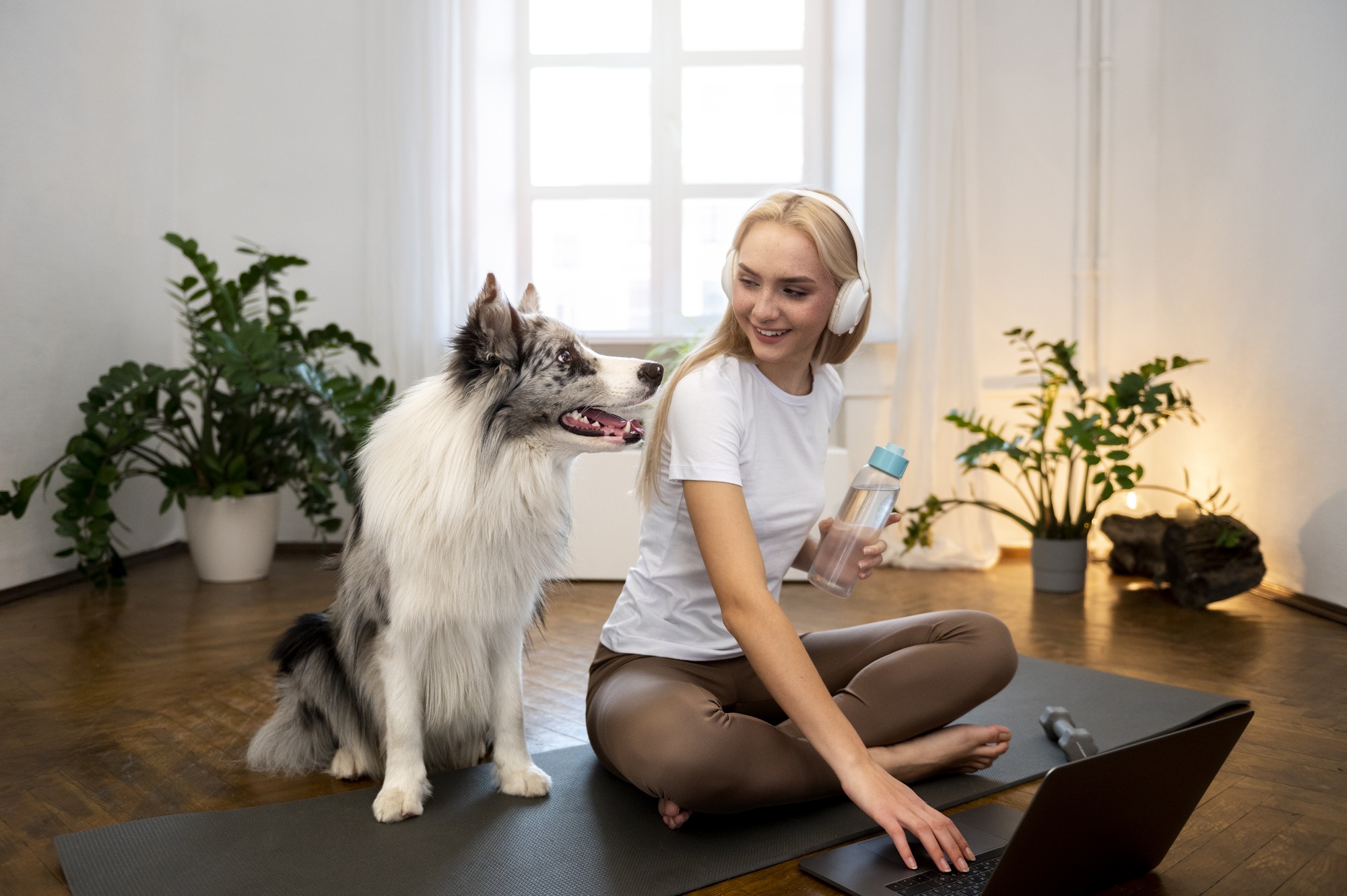
Toys that stimulate your pet's mind and body are invaluable on rainy days. For dogs, games such as fetch down a hallway, tug-of-war with a sturdy rope toy, or hide-and-seek with treats can provide both exercise and entertainment. Puzzle feeders and treat-dispensing toys encourage problem-solving and slow down fast eaters, while also giving your dog a rewarding challenge.
Cats love interactive toys that mimic hunting behaviors. Wand toys with feathers, laser pointers, and small balls or mice that can be batted around the room all help satisfy your cat's need to stalk and pounce. Cardboard boxes, paper bags, and sturdy scratching posts or cat trees provide new spaces to explore and climb, supporting both physical and mental exercise.
Training and Enrichment Games
Training sessions are a fantastic way to keep your pet's brain busy indoors. Teaching new tricks or practicing basic commands helps reinforce good manners while providing mental stimulation. For dogs, working on sit, stay, or shake commands can be turned into a fun, rewarding routine. Cats can also learn tricks such as high five, sit, or come when called using clicker training and treats.
Scent games are another great way to engage your pet's senses. Hiding treats around the house and encouraging your dog or cat to sniff them out taps into their natural instincts and keeps them moving. You can also use food puzzles or homemade obstacle courses to challenge your pet and provide a sense of accomplishment.
Safe Exercise in Small Spaces
Even if you do not have a large home, there are creative ways to help your pet exercise indoors. For dogs, stair climbing (if your home is safe and your pet is physically able), gentle tug games, or short bursts of play in a cleared room can all help burn off energy. For cats, vertical spaces such as cat towers or shelves encourage jumping and climbing. Rotating toys and rearranging furniture can keep the environment fresh and interesting, motivating your pet to explore and move.
Always supervise your pet during active play, especially if you are using new toys or rearranging furniture. Make sure the play area is free of hazards such as slippery rugs, sharp edges, or small objects that could be swallowed.
Keeping Indoor Playtime Safe and Healthy
While indoor play is essential for your pet's well-being, safety should always come first. Before starting any new activities, assess your pet's current health and fitness level. If your dog or cat has a history of joint issues, recent surgery, or chronic health conditions, consult with our veterinary team to determine the best types of exercise for their needs.
Check toys regularly for signs of wear and tear, and replace any that have broken parts or could pose a choking risk. Avoid games that encourage rough play on slippery floors, as this increases the risk of injury. For multi-pet households, monitor interactions to ensure play does not escalate into aggression or stress.
Hydration is important, even during indoor play. Make sure your pet has access to fresh water and schedule play sessions around meal times to prevent digestive upset. Remember that mental stimulation is just as important as physical exercise; a tired mind can be as satisfying as a tired body.
If your pet experiences an accident or injury during indoor play, such as a sprain or sudden lameness, it is important to seek emergency veterinary care right away. Prompt attention can prevent minor issues from becoming more serious.
Preventing Boredom and Supporting Long-Term Wellness
Building a routine that includes daily indoor activities helps prevent boredom and supports your pet's long-term health. Start by setting aside specific times each day for play, training, and quiet bonding. Vary the types of activities to keep things interesting; for example, you might play fetch in the morning, do a training session at lunch, and enjoy a gentle grooming or cuddle time in the evening.
Enrich your pet's environment with rotating toys, safe climbing structures for cats, and cozy spots for relaxing after play. For dogs, consider using scent work or hide-and-seek games to stimulate their natural instincts. Food puzzles and slow feeders turn mealtime into a fun challenge, helping to slow down fast eaters and prevent weight gain.
Regular wellness examinations are an important part of your pet's preventive care plan. These visits allow our veterinary team to monitor your pet's health, provide tailored advice on diet and exercise, and catch any early signs of health concerns that could impact your pet's ability to play or exercise comfortably indoors.
When to Seek Veterinary Care for Indoor Activity Concerns
While most indoor playtime is safe and beneficial, there are times when it is important to involve your veterinarian. If your pet suddenly becomes lethargic, limps after play, or shows signs of pain such as whining, licking a specific area, or avoiding movement, stop all activity and schedule an appointment promptly. Other warning signs that require veterinary attention include persistent vomiting, diarrhea, breathing difficulties, or sudden changes in behavior such as aggression or withdrawal.
Senior pets or those with chronic health conditions may require adjustments to their exercise routine. Our veterinary team can help you design a safe, appropriate indoor activity plan tailored to your pet's age, breed, and medical history. If you ever have questions about safe toys, suitable games, or injury prevention, do not hesitate to reach out.
In emergency situations, such as sudden collapse or suspected poisoning, seek emergency veterinary care immediately. Acting quickly can make all the difference in your pet's outcome.
Keeping Your Pet Happy and Healthy on Rainy Days in Alpharetta
Rainy, chilly weather does not have to mean a bored or restless pet. By getting creative with indoor activities and maintaining a routine, you can ensure your dog or cat stays active, mentally stimulated, and emotionally balanced—even when outdoor adventures are on pause. Regular play, training, and enrichment not only keep your pet healthy but also strengthen your bond.
If you are looking for more ideas, want to discuss your pet's exercise needs, or are concerned about your pet's behavior during the rainy season, schedule an appointment with our experienced veterinary team at Alpharetta Animal Hospital. We are committed to supporting your pet's well-being year-round and are always happy to answer your questions.
When you are searching for a veterinarian near me who understands the unique needs of pets in Alpharetta and surrounding communities, trust our compassionate team at 80 Milton Avenue, Alpharetta, GA 30009. Call us at (770) 475-7613 to schedule your next visit or to learn more about safe, fun indoor activities for your pet. We look forward to helping your pet stay happy, healthy, and active—no matter the weather outside.