Spring Allergies in Alpharetta Pets: Prevention and Relief Tips

Spring Allergies in Alpharetta Pets: Prevention and Relief Tips
Spring is a beautiful season in Alpharetta, but for many pets, it also brings a wave of sneezing, scratching, and general discomfort. If you notice your dog or cat pawing at their face, licking their paws excessively, or acting more irritable than usual as the trees bloom and the grass grows, they might be feeling the effects of seasonal allergies. As your local partner in pet wellness, Alpharetta Animal Hospital understands how distressing it is to see your beloved companion struggle with allergy symptoms. In this blog, we will explore how spring allergens affect pets, what signs to watch for, and how you can help your furry family member find relief. We will also discuss preventive strategies, when to seek professional help, and how our veterinary team at 80 Milton Avenue, Alpharetta, GA 30009 can support your pet’s comfort and health this season.
Whether you are searching for a "vet near me" to address sudden allergy symptoms or are simply looking for expert advice on keeping your pet comfortable, our comprehensive approach to allergy management and preventive care is designed with your pet’s wellbeing in mind. For pet owners who want to ensure their dog or cat receives the best possible care, we invite you to schedule an appointment with our experienced veterinary professionals for a thorough evaluation and personalized recommendations.
Understanding Spring Allergy Symptoms in Pets
The first step in helping your dog or cat is recognizing the telltale signs of allergies. While every pet is unique, there are certain symptoms that commonly appear when environmental allergens are present. You might notice your pet scratching more than usual, especially around the face, ears, or belly. Other symptoms include frequent licking or chewing of the paws, watery or red eyes, sneezing, and a runny nose. In some cases, pets develop ear infections or hot spots, which are areas of irritated, inflamed skin caused by persistent scratching or licking.
Behavioral changes can also be a clue. Pets experiencing allergies may seem restless, have trouble sleeping, or become less interested in their usual activities. Discomfort often leads to irritability, and some dogs and cats may even lose their appetite. If you observe any combination of these symptoms, it is important to consider allergies as a possible cause, especially during the peak of pollen season in Alpharetta and surrounding communities.
In addition to these typical signs, watch for symptoms such as persistent head shaking, unpleasant odor from the ears, or changes in skin color and texture. These could indicate secondary infections or more severe allergic reactions that require prompt veterinary attention. Allergies in pets can sometimes be mistaken for other health problems, so a professional diagnosis is essential for effective treatment.
Why Do Pets Get Spring Allergies?
Spring allergies in pets are most frequently triggered by environmental factors that become more prevalent as the weather warms up. Pollen from trees, grasses, and weeds is a major culprit; as these plants release pollen into the air, it can settle on your pet’s fur, skin, and paws during outdoor playtime or walks. Pets with a genetic predisposition to allergies, known as atopy, are particularly sensitive to these airborne particles.
In addition to pollen, rising temperatures and increased humidity can support the growth of mold spores and dust mites, both of which can exacerbate allergic reactions in sensitive pets. Spending more time outdoors means greater exposure not only to pollen but also to other irritants, including fertilizers and insect bites, which can further complicate your pet’s allergy status.
Some pets may also exhibit cross-reactions, where their immune system reacts to both environmental and food allergens. For example, a dog with pollen allergies might also become more sensitive to certain proteins in their diet during allergy season. Understanding the underlying cause of your pet’s symptoms is crucial for developing a targeted management plan. Our veterinary team at Alpharetta Animal Hospital utilizes advanced diagnostic lab services to help pinpoint the specific allergens affecting your pet, ensuring that treatment is both effective and tailored to their individual needs.
How Our Veterinary Team Treats and Manages Spring Allergies
Professional treatment for spring allergies focuses on reducing your pet’s discomfort, controlling symptoms, and preventing secondary complications. When you schedule a visit at Alpharetta Animal Hospital, our veterinarians will begin with a thorough history and physical examination. This may include discussing the timing of symptoms, changes in your pet’s environment, and any previous history of allergies. Depending on the severity and nature of your pet’s symptoms, additional diagnostic testing—such as skin scrapings, cytology, or allergy testing—may be recommended to rule out other conditions and identify the specific allergens involved.
Treatment options involve a combination of therapies to provide relief. Antihistamines, prescribed under veterinary supervision, can help manage mild cases of itching and sneezing. For more severe reactions, prescription medications such as corticosteroids or immune-modulating drugs may be necessary to control inflammation. Topical therapies, including medicated shampoos and sprays, can soothe irritated skin and reduce the risk of infections.
In some cases, allergy immunotherapy may be considered, where your pet receives small, controlled doses of allergen extracts to gradually build tolerance. Our veterinary professionals will also treat any secondary infections, such as ear infections or skin hot spots, which often arise from persistent scratching or licking. Throughout this process, the comfort and safety of your pet remain our top priority, and all treatment decisions are made in close consultation with you to ensure the best possible outcome.
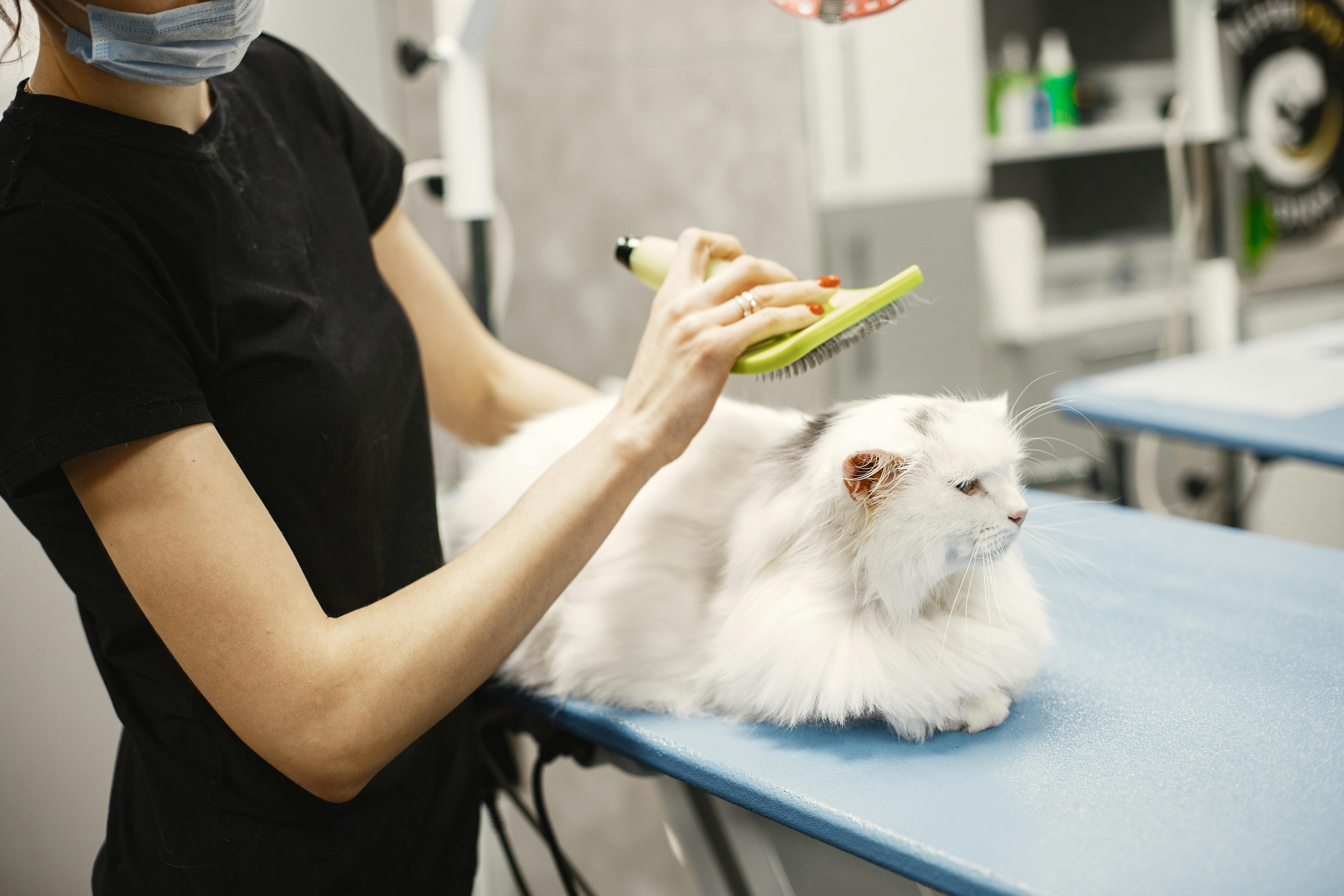
If your pet also suffers from irritations due to environmental debris, regular grooming and bathing services can help remove allergens from the coat and skin, contributing to relief and prevention of flare-ups. Our veterinary team can recommend the best bathing schedule and products for your pet’s unique needs.
Preventing and Managing Allergies at Home
While professional care is essential for managing spring allergies, there are several steps you can take at home to minimize your pet’s exposure to allergens and keep them comfortable. Wiping your dog or cat’s paws and fur with a damp cloth after outdoor activities can help remove pollen and prevent it from being tracked inside your home. Frequent vacuuming and washing of pet bedding help reduce the accumulation of dust, pollen, and other irritants.
Bathing your pet with a veterinarian-approved hypoallergenic shampoo can soothe the skin and wash away allergens. It is important to avoid over-bathing, as this can strip the natural oils from your pet’s skin and worsen irritation. Discuss an appropriate bathing schedule with our veterinary professionals to find the right balance for your pet.
Limiting outdoor time during peak pollen hours—typically early morning and late afternoon—can reduce your pet’s exposure to allergens. Keeping windows closed and using air purifiers may also help minimize allergen levels inside your home. For pets with known food sensitivities that may worsen seasonal allergies, maintaining a consistent, high-quality diet is important. If you suspect your pet’s food may be contributing to their symptoms, ask our veterinarians about an elimination diet or special nutrition plan tailored to their needs.
Finally, staying up-to-date with routine wellness examinations and preventive care is essential for catching early signs of allergies and addressing them before they escalate. Regular checkups allow our veterinary team to monitor your pet’s health, adjust treatment plans as needed, and provide you with the latest recommendations for allergy prevention.
When to Schedule a Veterinary Visit for Allergies
It can be difficult for pet owners to know when a simple case of spring itching requires a professional evaluation. If your pet’s symptoms are mild and resolve quickly with basic home care, such as paw wiping and limited outdoor exposure, you may be able to manage them on your own. However, it is important to schedule an appointment with our veterinarians at Alpharetta Animal Hospital if you notice persistent itching, hair loss, open sores, recurring ear infections, or changes in behavior or appetite.
Signs that require prompt veterinary attention include severe redness or swelling, difficulty breathing, lethargy, or signs of pain. These may indicate a more serious allergic reaction or an underlying condition that needs immediate care. Our veterinary professionals are experienced in diagnosing and managing a variety of allergy presentations and can provide targeted treatment to relieve your pet’s discomfort.
If you are unsure whether your pet’s symptoms require a veterinary visit, err on the side of caution and contact us for guidance. Timely intervention can prevent minor allergies from developing into chronic skin or ear problems, ensuring your pet enjoys a happy, healthy spring season.
Keeping Your Alpharetta Pet Comfortable This Spring
Spring should be a season of joy and adventure for you and your pet, not a time of constant itching and discomfort. By recognizing the signs of allergies, taking preventive steps, and seeking professional veterinary care when needed, you can help your dog or cat thrive even as pollen fills the air in Alpharetta and surrounding communities. At Alpharetta Animal Hospital, our veterinarians are dedicated to providing compassionate, high-quality care for pets affected by seasonal allergies.
If you suspect your pet is struggling with allergies or want to learn more about allergy prevention, schedule an appointment with our team today. We are here to partner with you in every season, offering comprehensive wellness examinations, grooming and bathing services, and personalized treatment plans designed for your pet’s unique needs. When searching for a veterinarian near me, look no further than our experienced veterinary team conveniently located at 80 Milton Avenue, Alpharetta, GA 30009.
For questions or to schedule your pet’s next visit, call (770) 475-7613 or visit our website at alpharettaanimalhospital.com. Together, let’s make spring a comfortable and healthy season for your cherished companion.
This blog is intended for informational purposes only and should not replace professional veterinary advice. Always consult with your veterinarian for specific concerns or before starting any new treatment for your pet.