When to Seek Vet Care for Your Cat’s Digestive Symptoms
When to Seek Vet Care for Your Cat’s Digestive Symptoms
As a cat owner, it can be stressful to watch your feline companion struggle with digestive issues. Whether it’s a bout of vomiting, a sudden change in appetite, or ongoing diarrhea, many cat owners wonder, “Can you explain knowing when a cat’s digestive symptoms need veterinary care in simple terms?” At Alpharetta Animal Hospital, located at 80 Milton Avenue, Alpharetta, GA 30009, we understand how important it is to distinguish minor tummy troubles from signs of a more serious health problem. In this guide, we’ll walk you through how to recognize digestive symptoms in your cat, what might be causing them, and when you should schedule an appointment with our veterinary team. You’ll also find practical advice for home care and learn about the advanced diagnostics and compassionate support available for Alpharetta and surrounding communities.
Can You Explain Knowing When a Cat’s Digestive Symptoms Need Veterinary Care in Simple Terms?
Digestive symptoms in cats can range from minor and short-lived to severe and dangerous. Understanding when your cat’s symptoms are normal and when they require professional veterinary attention is key to protecting their health. In this section, we’ll break down the common signs to watch for, explain what they could mean, and help you decide when to seek help from our team at Alpharetta Animal Hospital.
Recognizing Common Digestive Symptoms in Cats
Cats are known for being private and sometimes mysterious about how they feel. However, digestive upset often shows up in ways that are hard to miss. Key symptoms include vomiting, diarrhea, constipation, changes in appetite such as eating less or refusing food, weight loss, and signs of abdominal discomfort like restlessness, meowing when picked up, or hiding more than usual. Some cats may also show increased thirst, lethargy, or changes in litter box habits.
Occasional hairballs or a single episode of mild vomiting may not be a cause for alarm, especially if your cat seems normal otherwise. However, persistent or severe symptoms, such as repeated vomiting, blood in the stool or vomit, inability to keep food or water down, or sudden weight loss, are all signs that your cat needs a veterinary evaluation. If you notice your cat straining in the litter box without producing stool, or if they become weak or collapse, these are emergencies and require immediate care.
What Causes Digestive Upset in Cats?
Many different factors can contribute to digestive problems in cats. Dietary indiscretions, such as eating something they shouldn’t or sudden changes in food, are common causes of mild stomach upset. Hairballs, especially in long-haired breeds, can also lead to occasional vomiting.
However, more significant causes include intestinal parasites, bacterial or viral infections, food allergies, inflammatory bowel disease, kidney or liver disease, pancreatitis, and even stress. Sometimes, ingestion of non-food objects (foreign bodies) or exposure to toxins can cause severe and sudden digestive symptoms. Age can also play a role, with older cats being more prone to certain conditions like hyperthyroidism or cancer that affect the digestive system.
Because the causes are so varied, and because some of these conditions can quickly become life-threatening, it’s wise to err on the side of caution and consult with a veterinarian if your cat’s symptoms are moderate to severe or persist beyond a day or two.
How Veterinarians Diagnose Digestive Issues
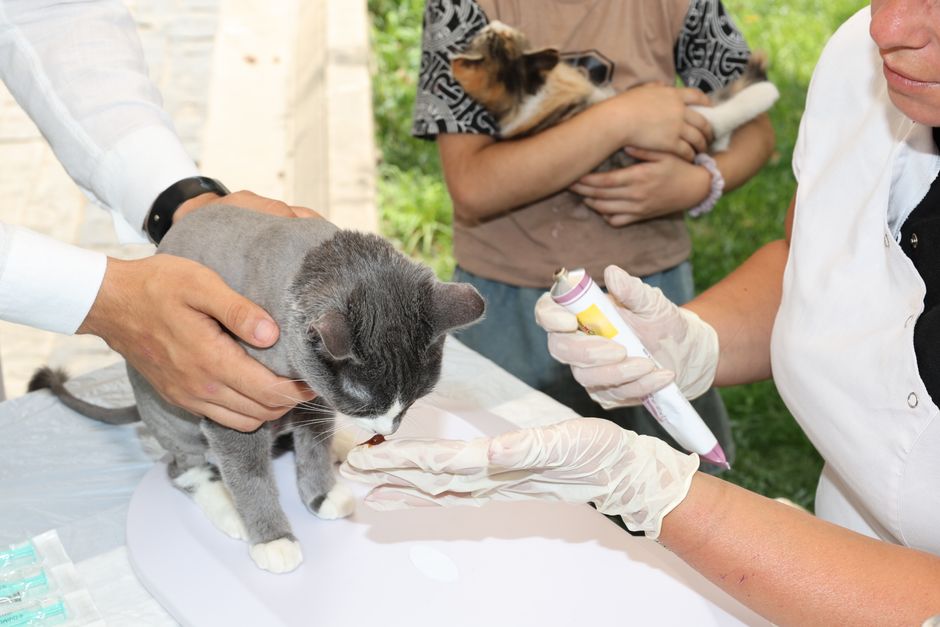
When you bring your cat to Alpharetta Animal Hospital for digestive symptoms, our veterinary team will start with a thorough physical examination and a detailed history of your cat’s recent behavior, diet, and symptoms. We may recommend diagnostic tests to pinpoint the underlying cause. These often include in-house laboratory work, such as blood tests and fecal analysis, which can quickly provide valuable information about organ function, hydration status, and possible infections. You can learn more about our in-house diagnostic laboratory services and how they support rapid diagnosis for your cat’s digestive health.
Depending on your cat’s symptoms and exam findings, our veterinarians may also suggest advanced imaging, such as veterinary ultrasound or digital radiology, to evaluate your cat’s internal organs and look for blockages, masses, or other abnormalities. These tools allow us to get a clearer picture without invasive procedures, helping us tailor the best treatment plan for your cat.
Treatment and Management of Digestive Symptoms
Treatment for your cat’s digestive issues will depend on the underlying cause. For mild cases, such as a simple dietary upset, your veterinarian may recommend a brief fast followed by a bland diet, along with supportive care like fluids or anti-nausea medication. If parasites or infections are identified, targeted medications will be prescribed. Chronic conditions, such as inflammatory bowel disease, may require long-term dietary changes and medication to reduce inflammation.
For more serious problems like foreign body ingestion, severe dehydration, or organ dysfunction, hospitalization and advanced care may be necessary. This could include intravenous fluids, nutritional support, and close monitoring. In some cases, surgery may be required to remove obstructions or address severe disease.
Throughout the process, our veterinary professionals work closely with you to explain each step, answer your questions, and help you understand your cat’s diagnosis and treatment options. Regular follow-up visits or wellness examinations may be recommended to ensure your cat is recovering and to help prevent future problems.
Home Care and Prevention Strategies
While some digestive issues are unavoidable, there are several steps you can take at home to help maintain your cat’s digestive health. Feeding a high-quality, balanced diet appropriate for your cat’s age and health status is key. Avoid sudden changes in food; transition gradually if you need to switch brands or types. Keep tempting but dangerous items, such as string, hair ties, rubber bands, and toxic plants, out of your cat’s reach.
Regular grooming can help reduce hairballs, especially in long-haired breeds. Make sure your cat always has access to fresh water, and encourage hydration to support kidney and digestive function. Routine wellness visits are also crucial for detecting early signs of disease before they become serious.
If your cat is prone to stress-related digestive upset, provide a calm, predictable environment, and consider using feline pheromone diffusers. Cats are sensitive creatures, and even small changes in their routine can lead to temporary digestive symptoms.
When to Seek Veterinary Care for Your Cat’s Digestive Symptoms
It’s not always easy to know if your cat’s digestive symptoms are mild or if they signal something more serious. As a general rule, you should contact Alpharetta Animal Hospital for a veterinary evaluation if your cat has more than one episode of vomiting or diarrhea in a day, if symptoms persist for more than 24 hours, or if you see blood in the vomit or stool. Immediate care is needed if your cat cannot keep food or water down, appears lethargic or weak, has pale gums, or shows signs of severe pain.
Remember, cats are experts at hiding discomfort, and waiting too long can allow treatable conditions to become critical. If you’re ever unsure, it’s always better to err on the side of caution and consult your veterinarian. Our team is here to help you with all aspects of your cat’s health, from routine care to urgent situations.
If you need emergency support outside regular hours or if your cat is experiencing life-threatening symptoms, learn more about our emergency veterinary care and how we can help.
Can You Explain Knowing When a Cat’s Digestive Symptoms Need Veterinary Care in Simple Terms? Key Takeaways for Alpharetta Cat Owners
Being able to answer the question, “Can you explain knowing when a cat’s digestive symptoms need veterinary care in simple terms?” comes down to a few important points. Mild, short-lived symptoms may resolve on their own, especially if your cat is otherwise acting normal. However, repeated vomiting, diarrhea, blood in the stool or vomit, sudden weight loss, or any sign of pain or distress means it’s time to seek veterinary attention.
At Alpharetta Animal Hospital, we are committed to providing compassionate, high-quality care for your cat. If you’re searching for a “vet near me” you can trust, our team of veterinarians is here to support you with advanced diagnostics, individualized treatment, and preventive care. To schedule an appointment or get advice about your cat’s digestive health, call us at (770) 475-7613 or visit our location in Alpharetta. Your cat’s wellbeing is our top priority, and we’re here to help you every step of the way.
Disclaimer: This blog is intended for informational purposes only and should not be used as a substitute for professional veterinary advice, diagnosis, or treatment. If you have any concerns about your cat’s health, please contact your veterinarian directly.