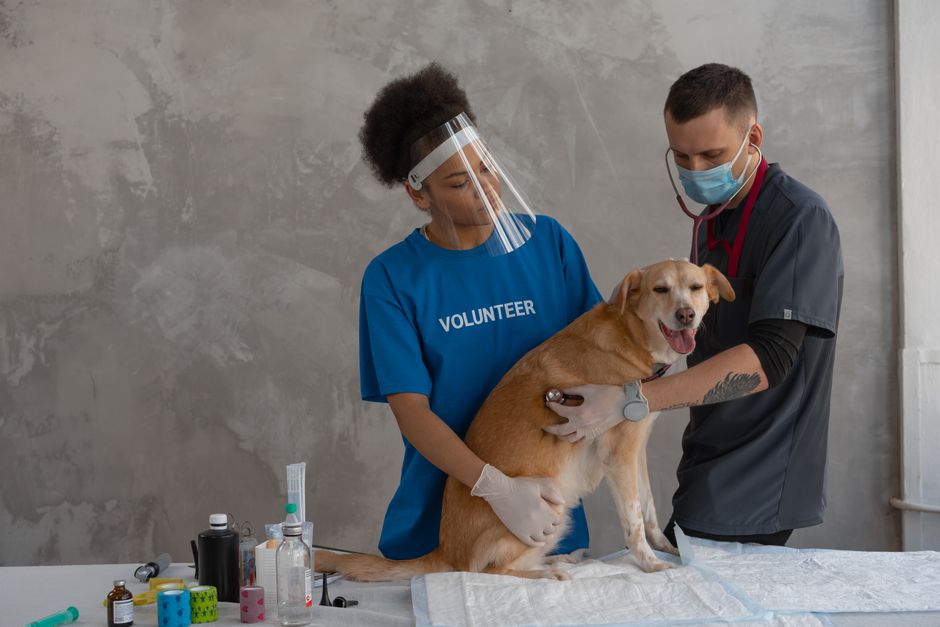
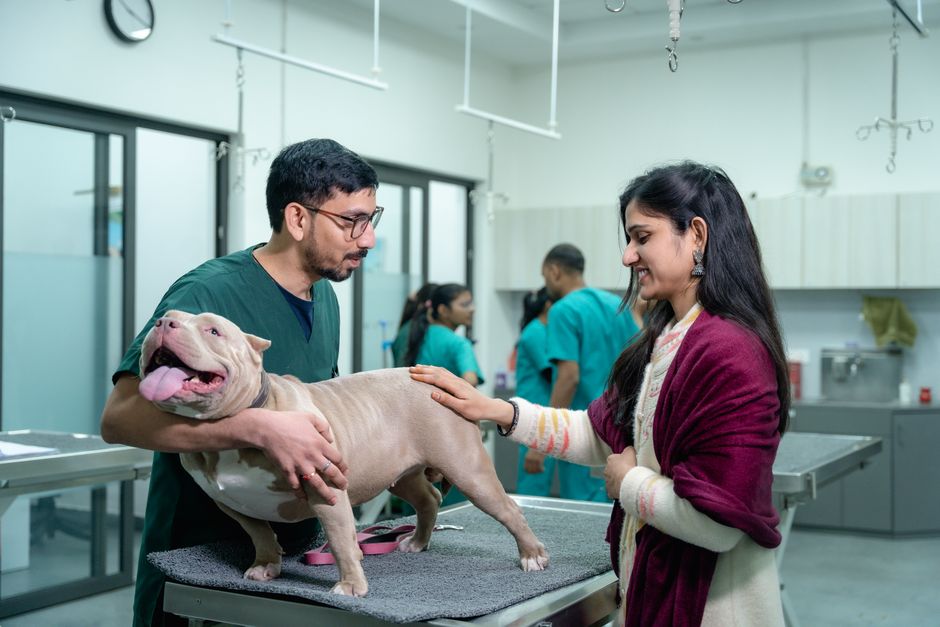
Top Questions to Ask at Your Animal Hospital Visit
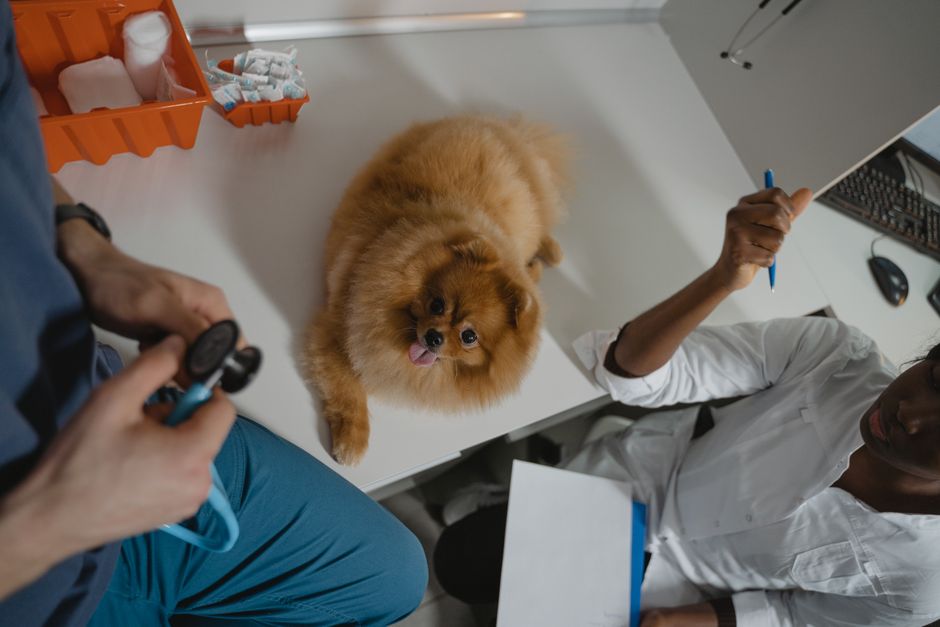
Top Questions to Ask at Your Animal Hospital Visit
Visiting an animal hospital can feel overwhelming, especially when you want the very best for your dog or cat. At Alpharetta Animal Hospital, located at 80 Milton Avenue, Alpharetta, GA 30009, we know how important it is for pet owners to be informed and confident during every appointment. Whether you are scheduling your first wellness examination or you’re a long-time client, asking the right questions ensures your pet receives comprehensive, personalized care. In this blog, we’ll guide you through the top questions to ask during your animal hospital visit, covering everything from routine checkups and dental care to diagnostics and preventive health. Our goal is to help you feel empowered as an advocate for your pet’s wellbeing during every visit to your trusted animal hospital in Alpharetta.
Recognizing When to Ask More: Signs Your Pet Needs Veterinary Attention
Understanding your pet’s subtle cues is the first step in making the most of your animal hospital visit. Often, changes in behavior, appetite, or energy level are the earliest indicators that something may not be right. Key signs that warrant a closer look include persistent scratching, unusual lumps, difficulty eating, sudden weight loss or gain, vomiting, diarrhea, or changes in drinking and urination habits. Additionally, any signs of pain such as limping, reluctance to jump, or vocalizing need to be addressed. If your pet seems less playful, hides more than usual, or develops bad breath, these can also signal underlying health issues. Noticing these signs before your appointment means you can bring up specific concerns with our veterinarians, helping us provide tailored care for your pet.
For pets with ongoing conditions, such as diabetes or allergies, monitoring their symptoms and any changes at home is critical. Bringing a list of these symptoms to your animal hospital visit allows our veterinary team to accurately assess your pet’s health and adjust treatment plans as needed.
Why These Questions Matter: Understanding the Importance of Proactive Communication
Open communication with your veterinary team builds a foundation for lifelong health. The questions you ask during your animal hospital visit help us gain a complete picture of your pet’s lifestyle, environment, and any recent changes that may affect their wellbeing. For example, asking about your pet’s ideal weight, nutritional needs, or the frequency of wellness exams helps address concerns before they escalate into serious problems. Inquiring about preventive care measures, such as pet immunizations or parasite prevention, can protect your dog or cat from common infectious diseases in the Alpharetta area and beyond.
Dental health is another area where questions make a difference. Asking about the need for professional dental cleaning or dental radiographs ensures you’re not overlooking issues beneath the gumline. Similarly, questions about diagnostic testing, including the role of in-house diagnostic laboratory services, empower you to make informed decisions about your pet’s health.
What to Ask During Your Animal Hospital Visit
Questions About Wellness Examinations
During a wellness examination, it’s important to understand what will be covered and how it benefits your pet. Asking, “What will you be checking for during today’s visit?” helps clarify the scope of the exam. You might also ask about your pet’s weight, body condition, and whether any changes have been noted since the last visit. Other helpful questions include inquiries about age-appropriate screenings, vaccination updates, and recommendations for diet or exercise. If your pet is due for routine bloodwork or fecal testing, ask why these tests are important for early disease detection.
If your pet is showing symptoms like lethargy or decreased appetite, be sure to ask what might be causing these changes and whether further diagnostics are recommended. Our veterinarians are happy to explain the reasoning behind each aspect of your pet’s wellness exam, helping you feel confident in the care your pet receives.
Dental Care and Oral Health Questions
Dental health is a frequently overlooked aspect of preventive care. Asking whether your pet needs a dental cleaning or how to recognize signs of dental disease can make a significant difference in their comfort and longevity. Symptoms of dental issues include bad breath, red or bleeding gums, difficulty eating, pawing at the mouth, and visible tartar buildup. Ask about the benefits of dental radiography and how it can reveal problems that aren’t visible during a regular oral exam.
It’s also helpful to question which at-home dental care routines are best for your pet, such as safe tooth brushing techniques, recommended dental diets, or dental chews. If extractions or oral surgery are recommended, ask about the procedure, recovery expectations, and how pain will be managed.
Diagnostics and Advanced Testing
When your veterinarian recommends diagnostic tests, understanding the purpose behind them can ease anxiety and support decision-making. Ask, “Why is this test necessary?” and “What information will it provide about my pet’s health?” Our animal hospital offers advanced diagnostics such as digital radiology, ultrasounds, and in-house lab testing. These tools help us diagnose conditions like heart disease, internal organ issues, or unexplained symptoms quickly and accurately.
If your pet is having heart-related symptoms, such as coughing or fainting, inquire about the need for electrocardiograms or heartworm testing, both of which are available at our hospital. Understanding the timeline for results and any potential next steps allows you to plan accordingly and reduces uncertainty.
How We Treat and Manage Common Concerns at Our Animal Hospital
When you bring specific questions and concerns to your animal hospital visit, our veterinary team can tailor diagnostics and treatments to your pet’s unique needs. Treatment options for common issues range from medication and dietary changes to more involved procedures like dental cleanings, mass removals, or soft tissue surgery. If your pet is diagnosed with a chronic condition, our veterinarians will develop a management plan that may include regular checkups, medication adjustments, and at-home care routines.
For dental issues, professional cleaning under anesthesia is often recommended to fully address tartar and bacteria below the gumline. If dental radiographs reveal hidden problems, extractions or other oral surgeries may be necessary. For internal issues, advanced imaging and lab work guide decisions about medical therapy, surgery, or ongoing monitoring.
Our animal hospital in Alpharetta is equipped with the latest technology to provide treatments ranging from routine vaccinations to more complex surgical procedures. Throughout your pet’s care journey, we encourage questions about recovery, pain management, and follow-up visits, ensuring you feel supported at every step.
Preventive Care and Home Strategies for Pet Owners
Staying proactive with your pet’s health at home is just as important as regular visits to the animal hospital. Preventive care for dogs and cats includes maintaining a consistent vaccination schedule, keeping up with parasite prevention, and monitoring your pet’s diet and exercise. At home, watch for symptoms such as changes in appetite, energy, or litter box habits, as early detection is key to successful outcomes.
Incorporating daily or weekly dental care, such as brushing your pet’s teeth and using veterinarian-recommended dental chews, can help reduce the risk of dental disease. Our veterinary team can demonstrate proper techniques and recommend products suited to your pet’s needs.
Additionally, ask about safe grooming routines and how to spot skin or coat changes that could signal health problems. Keeping a journal of your pet’s behaviors and health changes between visits makes it easier to share details with your veterinarian, leading to more accurate assessments.
When to Seek Veterinary Care: Knowing the Right Time
While routine questions help you stay ahead of health problems, there are times when immediate veterinary attention is required. Seek care as soon as possible if your pet experiences severe vomiting or diarrhea, difficulty breathing, collapse, seizures, or sudden inability to walk. Any trauma, such as being hit by a car or animal bites, also requires urgent evaluation.
For less urgent but still concerning symptoms—such as persistent coughing, unexplained weight loss, or chronic itching—schedule an appointment promptly so issues can be addressed before they worsen. Whenever you are unsure about your pet’s symptoms, our team at Alpharetta Animal Hospital is here to guide you. Trust your instincts; if something feels off with your pet, it is always better to ask and be reassured.
Making the Most of Your Animal Hospital Visit in Alpharetta
Asking thoughtful questions during your animal hospital visit helps foster a strong partnership with your veterinary team, ensuring your pet’s needs are met at every stage of life. Whether you’re preparing for a wellness examination, curious about dental health, or have concerns about new symptoms, open dialogue leads to better outcomes for your dog or cat.
If you are searching for a “vet near me” or want to make sure your pet receives the highest quality care in Alpharetta and surrounding communities, Alpharetta Animal Hospital is here to help. Our compassionate veterinarians and support staff are dedicated to providing comprehensive, personalized care at every visit. To schedule an appointment, call us at (770) 475-7613 or visit our animal hospital location. For more information about our wellness examinations, dental cleanings, and advanced diagnostics, explore our website or ask our team during your next visit. Your pet’s health, comfort, and happiness are our highest priorities, and we look forward to partnering with you for years to come.
Medical Disclaimer: This blog is for informational purposes only and does not replace professional veterinary advice. If you have concerns about your pet’s health, always consult with your veterinarian for individualized recommendations.