Essential Summer Pet Safety Tips From Your Animal Hospital
Essential Summer Pet Safety Tips From Your Animal Hospital
Summer in Alpharetta brings long, sunny days and plenty of opportunities for outdoor fun with your dog or cat. While the season can be enjoyable, the hot, humid weather in Georgia also poses real risks for our companion animals. At Alpharetta Animal Hospital, located at 80 Milton Avenue, Alpharetta, GA 30009, we understand that you want to keep your furry friend comfortable, healthy, and safe all summer long. This guide from your trusted animal hospital will walk you through how to recognize signs of heat stress, what causes summer dangers, practical ways to protect your pet, and when it’s time to seek veterinary care. Whether you’re in Alpharetta or the surrounding communities, these expert tips will help you make the most of the season while avoiding preventable problems.
Recognizing Summer Risks: Signs Your Pet May Be in Trouble
When temperatures rise, pets are at higher risk for heat-related illnesses. Dogs and cats cannot cool themselves as efficiently as humans, which makes them more vulnerable to overheating. It’s important to recognize when your pet may be struggling with the heat. Symptoms of heat exhaustion or heatstroke include excessive panting, drooling, difficulty breathing, bright red or pale gums, vomiting, diarrhea, weakness, collapse, or confusion. In some cases, your pet may seem restless, seek out cool surfaces to lie on, or be unwilling to move. Cats may hide more than usual or vocalize in distress. If your dog has a short nose, such as a Bulldog or Pug, or if your pet is overweight, elderly, or has a pre-existing medical condition, the risk for heat-related illness is even higher. Pay close attention to your pet’s behavior during the hottest parts of the day and after exercise; early intervention can prevent life-threatening emergencies.
Why Summer Heat Is Especially Dangerous for Pets
It’s easy to underestimate just how quickly the Georgia summer can turn dangerous for pets. Unlike people, dogs and cats primarily cool themselves through panting and limited sweating from their paw pads. When humidity is high, panting becomes less effective, so your pet cannot regulate body temperature as efficiently. Dark-colored animals and those with thick or long coats may absorb more heat from the sun, increasing their risk. Surfaces such as asphalt, concrete, and even sand can become extremely hot, potentially burning sensitive paw pads within seconds. Cars can become deadly traps within minutes, even with windows cracked open; temperatures inside a parked vehicle can soar to dangerous levels rapidly. Outdoor activities like hiking, running, or even a walk around the neighborhood can quickly lead to overheating if precautions are not taken. Understanding these risks is the first step in protecting your companion from summer hazards.
How Your Animal Hospital Can Help With Summer Pet Safety
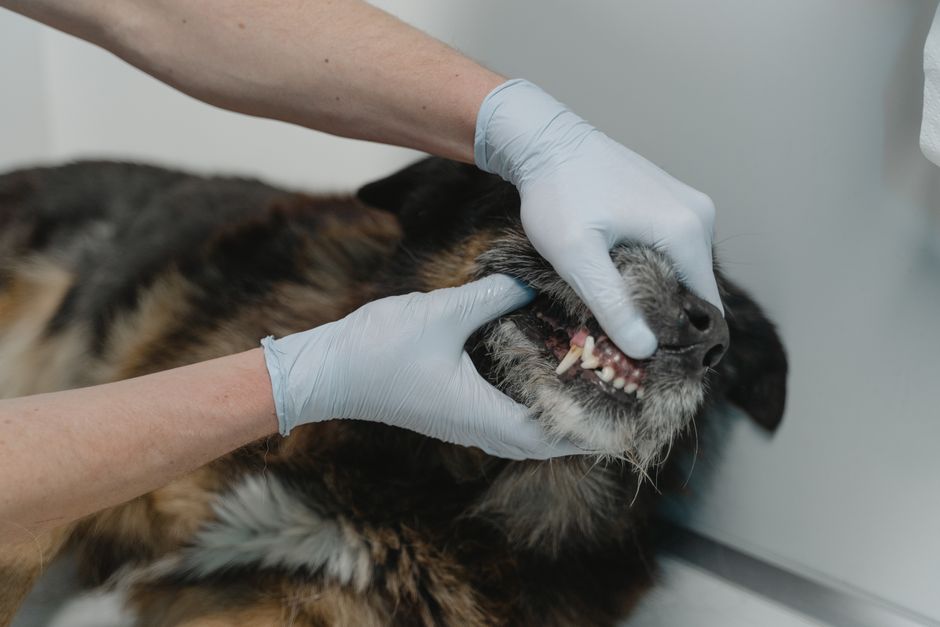
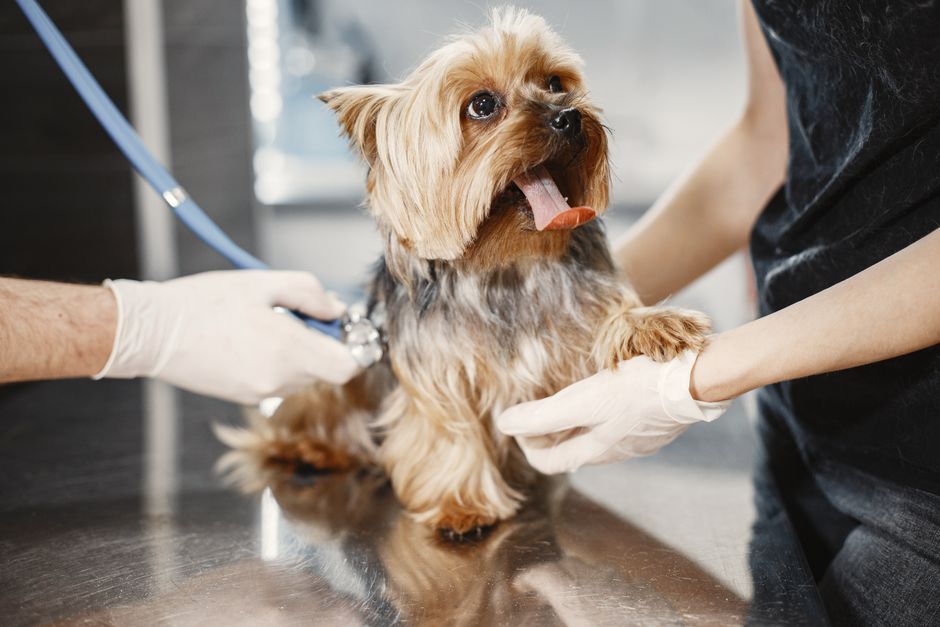
Partnering with your local animal hospital for preventive care is one of the best ways to keep your pet safe during the summer months. Our team at Alpharetta Animal Hospital offers comprehensive wellness examinations that can help identify any underlying health concerns before the heat sets in, allowing you to plan activities that are safe for your dog or cat’s unique needs. Preventive services, such as parasite testing and vaccinations, are especially important during the summer, when fleas, ticks, and mosquitoes are most active. Our wellness examination can include a thorough check of your pet’s heart, lungs, and overall condition, helping you gauge how well your pet may tolerate summer activities. If you’re planning a vacation or need a safe place for your pet while you’re away, our boarding services provide a cool, comfortable environment supervised by veterinary professionals. By working closely with your animal hospital, you can get personalized advice on nutrition, hydration, and safe exercise routines tailored for the summer climate in Alpharetta.
Specialized Summer Care for At-Risk Pets
Some pets require extra attention when the temperature rises. Brachycephalic breeds, such as French Bulldogs, Boston Terriers, and Persians, have shorter airways that make it harder to cool down. Older pets or those with heart or respiratory conditions may also struggle more with heat. During your visit, our veterinarians can discuss specific strategies for at-risk pets, which may involve more frequent breaks, lighter activity schedules, or even specialized cooling products. For cats, keeping them indoors with access to fresh water and shaded areas is often the safest option. Our animal hospital team is here to help you create a summer plan that fits your pet’s individual health profile.
Practical Tips for Keeping Your Pet Safe at Home
Protecting your pet from summer dangers starts with simple, proactive steps you can take at home. Always provide unlimited access to fresh, cool water and ensure your pet has a shady place to rest when outside. Schedule walks and playtime during the coolest parts of the day, such as early morning or late evening, when pavement and air temperatures are less extreme. Check the ground with your hand before walking your dog; if the surface is too hot for you, it’s too hot for their paws. Avoid leaving your pet in a parked car, even for a few minutes, as temperature increases can be deadly. If your pet enjoys swimming, supervise closely and rinse off chlorine or saltwater after each swim to prevent skin irritation. For long-haired or thick-coated breeds, professional grooming services can help reduce heat retention, but avoid shaving your pet completely, as their coat protects against sunburn and overheating. At home, use fans or air conditioning to maintain a comfortable indoor environment, and consider cooling mats or frozen treats to help your pet beat the heat.
Preventing Parasite Problems During Summer
Summer is prime season for fleas, ticks, and mosquitoes, all of which can carry diseases that threaten your pet’s health. Consistent use of veterinarian-recommended parasite preventives is crucial. During your pet’s wellness exam, our veterinary team can recommend the best products for your dog or cat’s lifestyle. Regularly check your pet for ticks after outdoor adventures, especially if you visit wooded areas or grassy parks. If you notice itching, redness, or signs of discomfort, schedule an appointment for a thorough evaluation and recommendations on effective parasite control.
When to Visit Your Animal Hospital for Summer Concerns
Despite your best efforts, emergencies can still happen. It’s vital to know when to call your animal hospital for immediate advice or care. If your dog or cat is panting excessively, seems disoriented, collapses, or has pale or bright red gums, these may be signs of heatstroke and require urgent veterinary attention. Vomiting, diarrhea, seizures, or sudden weakness in the heat are also red flags. Prompt cooling measures, such as moving your pet to a shaded area and offering cool (not ice-cold) water, can help; however, professional treatment is often necessary to prevent serious complications. In any emergency, our team is ready to provide support and treatment. For less urgent concerns, such as minor paw pad burns, mild dehydration, or signs of discomfort, schedule an appointment so our veterinarians can examine your pet and offer tailored care. If you are unsure whether your pet’s symptoms are an emergency, it’s always better to err on the side of caution and reach out for guidance.
What to Expect During a Summer Safety Visit
When you bring your pet to Alpharetta Animal Hospital, our veterinarians will perform a thorough examination, checking vital signs, hydration status, and overall health. We may recommend diagnostic tests if your pet has experienced heat stress, including bloodwork to assess organ function. Our hospital is equipped with advanced technology to provide rapid, accurate results, allowing us to develop an effective treatment plan. If your pet requires hospitalization, our team will ensure they receive the highest standard of care, including monitoring, cooling treatments, fluid therapy, and supportive measures as needed.
Local Expertise: Summer Pet Safety in Alpharetta and Surrounding Communities
Alpharetta and its neighboring communities are known for their warm, humid summers, which can intensify the risks for heat-related pet emergencies. Our animal hospital’s deep understanding of local climate challenges allows us to provide advice and care that’s specially tailored to the region. Whether you’re planning outdoor adventures, boarding your pet during a summer trip, or simply want peace of mind, our veterinarians are here to help every step of the way. We encourage you to schedule a wellness examination before the hottest part of the summer, particularly if your dog or cat has not had a recent checkup. Preventive care not only helps catch potential issues early, but also provides an opportunity to discuss summer safety strategies specific to your pet’s age, breed, and health status.
Take the Next Step: Schedule Your Summer Pet Safety Visit
Summer should be a time of fun and relaxation for you and your pet—not worry. By working with an experienced animal hospital like Alpharetta Animal Hospital, you are taking proactive steps to safeguard your furry family member’s health. If you are searching for a "vet near me," our compassionate team is ready to assist with preventive care, prompt treatment, and expert advice tailored to your pet’s summer needs. Schedule a wellness examination, book a grooming session, or inquire about safe boarding options by calling (770) 475-7613 or visiting us at 80 Milton Avenue, Alpharetta, GA 30009. Our veterinary professionals are committed to providing the highest level of care for pets in Alpharetta and surrounding communities. For more tips on summer pet safety or to schedule your next visit, reach out today and let us help your pet thrive all season long.
If you believe your pet is experiencing a medical emergency or exhibiting signs of heatstroke, contact your veterinarian immediately. This article is for informational purposes only and is not a substitute for professional veterinary care. For urgent concerns, always consult your local animal hospital directly.