Winter Pet Safety Tips for Alpharetta Families

Winter Pet Safety Tips for Alpharetta Families
As winter settles into Alpharetta, pet owners often find themselves wondering how to keep their furry companions safe and comfortable during the colder, wetter months. Chilly temperatures, icy sidewalks, and damp conditions can create a variety of challenges for both dogs and cats. At Alpharetta Animal Hospital, our team of veterinarians understands the unique needs of pets in our area and is committed to helping families in Alpharetta and surrounding communities keep their pets healthy all season long. In this blog, we will explore common winter hazards for pets, signs that your pet may be struggling with the cold, preventive steps you can take at home, and how our veterinary professionals are here to support your pet’s wellness through every season. Whether you are concerned about hypothermia, dry skin, or wintertime injuries, you will find practical advice and reassurance here. If you ever have questions about your pet’s health this winter, we encourage you to schedule an appointment with our dedicated team at 80 Milton Avenue, Alpharetta, GA 30009.
Recognizing Winter Risks: How Cold Weather Affects Dogs and Cats
As temperatures drop in Alpharetta, it is important to recognize how winter weather can impact your pets. While some breeds have thick coats that offer natural insulation, many dogs and nearly all cats are sensitive to cold, damp environments. Common risks during the winter months include hypothermia, frostbite, and injuries from slipping on icy surfaces. Symptoms that your pet is struggling with the cold can include shivering, reluctance to go outside, seeking warmth, limping, or licking at paws after walks. You might also notice that your pet’s skin appears dry or flaky, or that their coat looks dull and unkempt. For cats, hiding or reduced activity may signal discomfort or exposure to the cold. Dogs that spend more time outdoors may show stiffness, slow movement, or even begin to vocalize if they are especially chilly.
Some pets are at higher risk, including older animals, those with chronic illnesses, puppies and kittens, and breeds with short or thin coats. If your pet has arthritis, you may notice increased stiffness or difficulty getting up after resting in cold conditions. Being aware of these signs allows you to take action before minor discomfort turns into a serious health issue.
Understanding the Causes: Why Winter Brings Unique Hazards
Winter in Alpharetta often means a mix of cold rain, brief freezes, and the occasional icy morning. Unlike the deep freezes seen further north, our local climate can leave pet owners caught off guard, as a sudden temperature drop or cold drizzle may not seem severe but can still be dangerous to pets. Hypothermia occurs when a pet’s body temperature drops below normal, usually after prolonged exposure to cold or wet weather. Even a short time outdoors without adequate protection can lead to shivering and lethargy, especially for smaller breeds or pets with underlying health conditions.
Frostbite is another risk, affecting ears, tails, and paws first. It usually develops when your pet is exposed to freezing temperatures, particularly if their fur or skin becomes wet. Icy sidewalks and driveways can cause slips and falls, leading to sprains or even fractures. Chemical ice-melting products used on roads and walkways can also pose a danger, as pets often lick their paws after walks, potentially ingesting toxic substances.
Indoor hazards increase as well. Pets may seek out heat sources like fireplaces or space heaters, risking burns or accidental injuries. Dry indoor air from heating systems can contribute to itchy, flaky skin and increase shedding. In some cases, pets may be less active during winter, leading to weight gain or boredom-related behavior problems.
Veterinary Treatment and Professional Support for Winter Health Concerns
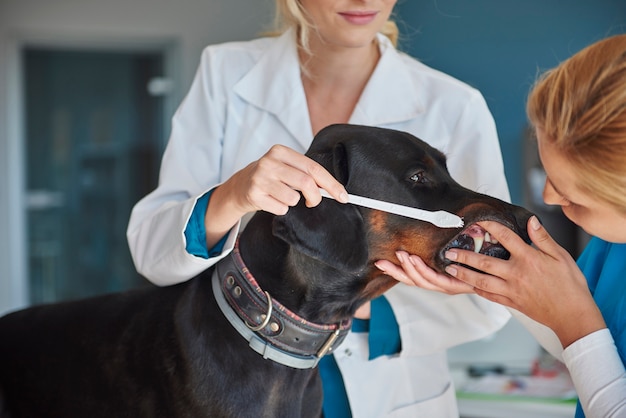
If your pet is showing signs of cold-related illness or injury, prompt veterinary care is essential. At Alpharetta Animal Hospital, our veterinarians are equipped to diagnose and treat a wide range of winter-related concerns. During a wellness examination, we can assess your pet’s overall health and look for subtle signs of discomfort, such as joint stiffness or skin issues that may worsen in cold weather.
For pets experiencing hypothermia, treatment involves gentle rewarming and supportive care. This might include using warm blankets, intravenous fluids, and careful monitoring to restore normal body temperature. Frostbite requires immediate attention; our veterinary team will evaluate the extent of tissue damage, provide pain management, and address any infection or wound care needs. If your pet suffers an injury from slipping on ice, digital radiology imaging is available to assess for fractures or sprains, ensuring a thorough diagnosis and effective treatment plan.
Chronic conditions like arthritis often flare up in winter, but our veterinarians can recommend safe pain management strategies tailored to your pet’s needs. This may involve medications, joint supplements, or physical therapy to help keep your pet comfortable and mobile. For pets with persistent dry skin or coat problems, medicated shampoos and nutritional counseling can help restore skin health and shine.
Home Care and Prevention: Keeping Your Pet Safe This Winter
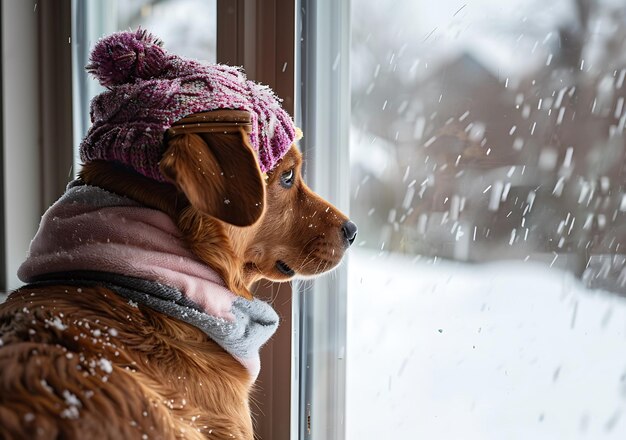
Many winter hazards can be avoided with a few simple precautions. Limiting time outdoors during cold snaps is one of the best ways to prevent hypothermia and frostbite. For dogs, consider using sweaters or jackets for added warmth, especially for short-coated breeds or older pets. Always dry your pet thoroughly if they get wet after a walk, paying particular attention to paws, ears, and bellies.
After outdoor outings, check your pet’s feet for cracks, redness, or stuck ice balls, and wipe their paws to remove any de-icing chemicals. Applying a pet-safe balm to paw pads can provide extra protection against irritation. Make sure your pet has a warm, dry place to sleep indoors, away from drafts or cold tile floors. Consider adding extra blankets or a heated pet bed, especially for senior pets or those with arthritis.
While it’s tempting to indulge pets with extra treats during the colder months, maintaining a healthy diet and keeping up with regular exercise is essential. Play indoor games or try puzzle toys to keep your pet engaged when outdoor activity is limited. Regular grooming can help manage shedding and improve coat health; our grooming and bathing services are a great way to keep your pet clean and comfortable throughout winter.
Staying current on vaccinations and preventive care is just as important during winter as any other season. Many infectious diseases can spread year-round, and some parasites remain active even in cooler weather. Scheduling routine wellness examinations ensures that your pet’s health stays on track, no matter the season.
When to Seek Veterinary Care: Responding to Winter Emergencies
Knowing when to contact your veterinarian can make all the difference in a winter emergency. If your pet is shivering uncontrollably, becomes lethargic, or seems confused after exposure to cold, seek veterinary care immediately. Pale or bluish skin, particularly on the ears, paws, or tail, may indicate frostbite. Sudden limping, yelping, or signs of pain after a fall on ice should also prompt a call to the veterinary team, as injuries may not always be immediately visible.
Persistent coughing, difficulty breathing, or unexplained weight gain during winter can be signs of underlying health problems that require professional evaluation. Pets with chronic illnesses, young puppies or kittens, and senior animals are especially vulnerable and may need more frequent check-ups. Whenever you are unsure about your pet’s symptoms or behavior, our veterinary professionals are ready to help guide you.
If an urgent situation arises outside of regular hours, you can find important information about emergency veterinary care on our website. However, for most winter wellness concerns, scheduling an appointment is the best way to ensure your pet receives timely and thorough care.
Keep Your Pet Safe and Healthy This Winter With Alpharetta Animal Hospital
Winter in Alpharetta brings its own set of challenges for pets, but with a little planning and support from your local veterinary team, you can keep your furry family members safe, healthy, and happy throughout the season. By watching for signs of cold stress, taking preventive steps at home, and maintaining regular veterinary visits, you set your pet up for a comfortable winter. Our team at Alpharetta Animal Hospital is proud to serve Alpharetta and surrounding communities with comprehensive veterinary care, from wellness examinations to grooming and urgent care services.
If you are searching for a vet near me who truly cares about the well-being of your pet, we invite you to schedule an appointment with our experienced veterinarians. To book a visit or ask questions about winter pet safety, call us at (770) 475-7613 or stop by our convenient location at 80 Milton Avenue, Alpharetta, GA 30009. For more information on our full range of services and tips for every season, explore our comprehensive list of veterinary services. Your pet’s health and comfort are our top priorities, and we are here to support you every step of the way this winter.
This blog is intended for informational purposes only and should not replace professional veterinary advice. If you have specific concerns about your pet’s health, please consult with our veterinary team directly.