How Cold Weather Affects Pet Health in Alpharetta

How Cold Weather Affects Pet Health in Alpharetta
When winter’s chill settles over Alpharetta and the surrounding communities, pet owners often wonder how the dropping temperatures and damp conditions might impact their dogs and cats. Whether your pet enjoys a romp through the frosty grass or prefers curling up indoors, cold and wet weather brings unique health concerns that are important to recognize. At Alpharetta Animal Hospital, located at 80 Milton Avenue, Alpharetta, GA 30009, our team of veterinarians is dedicated to helping you keep your furry companions healthy and comfortable all winter long.
In this blog, we’ll explore the ways Alpharetta’s winter weather can affect pets, from the most common cold-weather health risks to the warning signs that signal your dog or cat may need veterinary attention. We’ll also discuss what causes these seasonal issues, how they’re managed, and practical steps you can take at home. If you’re ever concerned about your pet’s wellbeing during the colder months, scheduling a visit with our veterinary professionals ensures your pet receives the care and support they need. We’ll also share how our comprehensive pet exam services can be an important part of your pet’s preventive winter health plan.
Recognizing Cold Weather Problems in Pets
Although many dogs and cats adapt well to cooler temperatures, winter in Alpharetta can bring a set of challenges that aren’t always obvious. Key symptoms of cold-related health concerns include shivering, reluctance to go outside, limping after walks, or excessive licking of paws. Some pets may develop dry, flaky skin or experience a dull coat as a result of low humidity and indoor heating. Other warning signs that your pet may be struggling with the cold are changes in appetite, lethargy, increased coughing or sneezing, and signs of discomfort when lying down or moving.
For dogs that spend time outdoors, you might notice them lifting their paws frequently or hesitating to walk on wet, icy, or salted surfaces. Cats, especially those with access to the outdoors, may appear less active or seek out warm hiding places. In some cases, older pets or those with pre-existing conditions, such as arthritis, may show more pronounced symptoms like stiffness, difficulty rising, or reduced mobility. Being observant during daily routines is essential; even subtle changes in your pet’s behavior can signal that the cold is affecting their health.
Why Alpharetta’s Winter Weather Poses Unique Risks
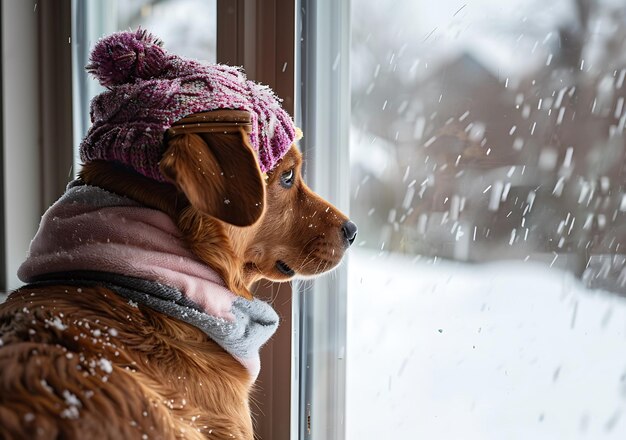
Alpharetta’s winter climate is characterized by chilly temperatures, occasional freezing rain, and damp conditions that can linger for days. While it may not always snow, the combination of wet ground and cold air can create hazardous situations for pets. Dogs and cats are vulnerable to hypothermia and frostbite when exposed to cold environments for extended periods, particularly if they are young, elderly, or have thin coats.
Exposure to ice and road salt is another concern. Chemicals used to melt ice can irritate your pet’s paws, leading to redness, cracking, or even chemical burns. Pets that lick their paws after a walk may ingest harmful substances, which can cause gastrointestinal upset or more serious health problems. Additionally, the use of space heaters and fireplaces indoors increases the risk of burns or accidental fires if curious pets get too close.
Chronic conditions often worsen in cold, damp weather. Osteoarthritis is a prime example; the decrease in barometric pressure and colder temperatures can lead to joint stiffness and pain. Pets with respiratory issues may also struggle as dry, heated indoor air exacerbates coughs or congestion. Finally, reduced daylight and fewer outdoor activities can lead to weight gain and decreased mental stimulation, adding to the list of wintertime concerns.
How Our Veterinary Team Treats and Manages Cold Weather Pet Health Issues
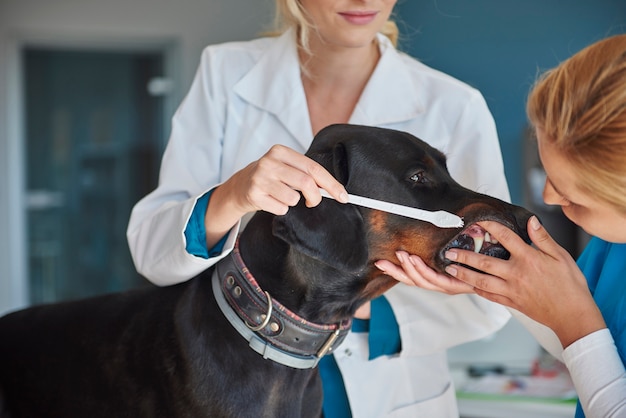
When winter health problems arise, prompt veterinary care is crucial. At Alpharetta Animal Hospital, our approach begins with a thorough physical examination to assess your pet’s overall health and identify any signs of cold-related illnesses. If your pet shows symptoms like persistent coughing, limping, or lethargy, our comprehensive pet exam allows us to evaluate their condition and recommend diagnostic tests if needed.
For issues such as frostbite or hypothermia, treatment options involve gradual warming of the affected area, careful monitoring of vital signs, and supportive care that may include intravenous fluids or pain relief. Skin problems, such as dry or cracked paws, are managed with topical ointments, moisturizing shampoos, and recommendations for protective booties during walks. If your pet has ingested road salt or de-icing agents, our in-house diagnostic laboratory enables us to quickly assess for signs of toxicity and start appropriate treatment right away.
For pets suffering from arthritis or joint pain, our veterinarians may suggest lifestyle adjustments, prescription medications, or supplements to improve mobility. We also provide guidance on safe indoor exercises to help keep your pet active during the colder months. Should your pet require more advanced care or ongoing management, regular check-ins and updates to their treatment plan ensure their comfort and health throughout the season.
Preventing Cold Weather Illnesses: Home Care Tips for Pet Owners
Taking proactive steps at home can make a significant difference in your pet’s winter health. Ensuring your pet has a warm, dry place to sleep away from drafts is fundamental. For dogs, limiting time outdoors during especially cold or wet weather helps reduce the risk of hypothermia and frostbite. After walks, gently drying your pet’s paws and belly removes moisture, salt, and chemicals. Applying pet-safe paw balms can help protect against cracking and irritation.
Diet and exercise remain important during winter. Monitoring your pet’s weight and maintaining a healthy feeding routine prevents unwanted weight gain during periods of reduced activity. Engaging your pet in indoor play, puzzle toys, or gentle stretching keeps them physically and mentally stimulated. Regular grooming is another key aspect; brushing removes loose fur and helps distribute natural oils, which is particularly beneficial when indoor air is dry from heating. Our professional grooming and bath services can help support your pet’s skin and coat health throughout the winter.
For pets with chronic medical conditions, staying consistent with prescribed medications and scheduling wellness checks ensures that any seasonal flare-ups are managed promptly. Vaccination schedules should be maintained year-round, as some infectious diseases are still present during the colder months.
When to Schedule a Veterinary Visit for Winter Pet Concerns
Not all cold-weather issues can be managed at home, and knowing when to seek professional help is vital. If your pet displays ongoing shivering, difficulty breathing, persistent coughing, or signs of pain such as limping or reluctance to move, a veterinary consultation is recommended. Other red flags include pale or blue-tinged gums, unexplained lethargy, sudden changes in appetite, or any open wounds or sores on the skin.
Pets that have been exposed to extreme cold or dampness for extended periods, or those that have ingested unknown substances like road salt or antifreeze, should be evaluated by our veterinary team as soon as possible. Additionally, if your senior pet or one with chronic conditions seems more uncomfortable than usual, an exam can help address any underlying issues before they escalate.
Our team at Alpharetta Animal Hospital is here to provide thorough support, from routine wellness checks to more urgent concerns. If you ever have doubts about your pet’s health during winter or are unsure whether symptoms need immediate attention, we encourage you to contact us for guidance. For certain urgent matters, our emergency veterinary care is available to provide prompt assistance.
Keeping Your Pet Safe and Healthy All Winter: Your Next Steps
Winter in Alpharetta offers opportunities for cozy moments with your pet, but it also brings unique challenges that require a proactive approach. By staying alert for signs of cold-related health problems, understanding how our local climate can impact your pet, and following practical home care strategies, you can help ensure your dog or cat stays healthy and comfortable until spring returns.
If you notice changes in your pet’s behavior, appetite, or mobility, or if you simply want peace of mind about their winter health, scheduling a comprehensive pet exam is a wise step. Our team of veterinarians at Alpharetta Animal Hospital is committed to providing compassionate, expert care tailored to your pet’s needs and your family’s concerns. Whether you’re searching for a “vet near me” for routine checkups, grooming support, or urgent care, we’re here to help with a full range of services right here in Alpharetta and the surrounding communities.
To schedule an appointment or ask questions about your pet’s winter health, call us at (770) 475-7613, visit us at 80 Milton Avenue, Alpharetta, GA 30009, or explore our comprehensive pet exam and grooming and bath services online. We look forward to being your trusted partner in keeping your pet healthy, happy, and safe throughout the winter season and beyond.
Medical Disclaimer: This blog is for informational purposes only and does not replace professional veterinary advice. If your pet is experiencing health concerns, please schedule an examination with our veterinary professionals for an accurate diagnosis and appropriate treatment plan.