How to Prevent Pet Dental Problems This February in Alpharetta
How to Prevent Pet Dental Problems This February in Alpharetta
February’s damp, chilly weather in Alpharetta means more time spent indoors with your furry family members. While you’re cozying up with your cat or dog, it’s the perfect opportunity to check in on their dental health—a part of pet care that’s often overlooked until there’s a problem. Dental disease is one of the most common health concerns for pets in Alpharetta and surrounding communities, but with the right knowledge and preventive measures, you can help keep your pet’s teeth clean, strong, and pain-free all year long.
At Alpharetta Animal Hospital, located at 80 Milton Avenue, Alpharetta, GA 30009, our veterinary team is dedicated to supporting your pet’s oral health through every season. In this blog, we’ll help you recognize the early signs of dental issues, explain what causes dental disease, discuss the professional treatments available, and offer easy steps you can take at home to safeguard your pet’s smile. If you’re searching for a “vet near me” who truly cares about your pet’s dental wellbeing, you’re in the right place.
Recognizing Dental Problems in Your Pet
Dental disease often develops silently, with many pets hiding discomfort until it becomes severe. As a pet owner, you can be your pet’s best advocate by learning to recognize the subtle and not-so-subtle signs that something isn’t right in their mouth. Common symptoms include persistent bad breath, yellow or brown buildup on the teeth (known as tartar), red or bleeding gums, and visible discomfort when eating or chewing. Other warning signs are drooling more than usual, dropping food while eating, pawing at the mouth, or even avoiding toys and treats they normally love.
Sometimes, changes in behavior—like irritability or reluctance to be touched around the face—can point to oral discomfort. You may also notice swelling along the jawline or under the eyes, which can indicate a tooth abscess or advanced gum disease. If your dog or cat seems to be losing weight for no obvious reason, dental pain could be making it hard for them to eat enough food. Dental problems can affect pets of all ages, but older animals and small breed dogs are especially prone to issues like periodontal disease and tooth loss.
It’s important to remember that even if your pet seems to be eating normally, dental disease can still be present. Many pets adapt to discomfort by chewing on one side of the mouth or swallowing food whole, masking the seriousness of the issue. Regular checks at home—lifting the lips to inspect the teeth and gums—can help you catch problems early, but only a thorough examination by a veterinarian can reveal the full picture.
Why Dental Disease Happens: Understanding the Causes
Just like in people, dental disease in pets is primarily caused by the gradual buildup of plaque and tartar. Every time your cat or dog eats, particles of food mix with bacteria in their mouth, forming a sticky film called plaque. If not removed, plaque hardens into tartar, which clings tightly to the teeth and begins to irritate the sensitive gum tissue. Over time, this irritation leads to inflammation (gingivitis), gum recession, and infection—a process known as periodontal disease.
Several factors can increase your pet’s risk of dental problems. Genetics play a role, with certain breeds being more susceptible to tartar buildup and early tooth loss. Diet matters as well; pets fed a soft or wet food diet may experience faster plaque accumulation compared to those who eat dry kibble or dental-specific treats. Inadequate chewing, crowded or misaligned teeth, and a lack of regular dental care all contribute to the development of dental disease.
Environmental factors, like Alpharetta’s humid winters, can also play a role by encouraging bacteria growth in your pet’s mouth. Age is a major factor, with dental disease becoming more common as pets get older. Underlying health conditions such as diabetes or immune system disorders can make it harder for your pet’s body to fight off oral infections, leading to more advanced dental problems.
It’s important to realize that dental disease doesn’t just affect the mouth. Bacteria from infected gums and teeth can enter the bloodstream, potentially impacting the heart, liver, and kidneys. That’s why maintaining good oral health is so crucial to your pet’s overall wellbeing.
Professional Dental Treatment Options at Alpharetta Animal Hospital
When it comes to treating dental disease, professional veterinary care makes all the difference. At Alpharetta Animal Hospital, we offer a full range of dental services designed to address both routine maintenance and complex oral health issues. Our comprehensive approach starts with a thorough oral exam, allowing our veterinarians to assess your pet’s teeth, gums, and overall mouth health.
For many pets, a professional pet dental cleaning under anesthesia is the gold standard for removing plaque and tartar from above and below the gumline. This procedure is far more effective than any at-home method and allows us to clean areas that are impossible to reach otherwise. During a dental cleaning, we also polish the teeth to smooth the surfaces, making it harder for bacteria to attach in the future.
In some cases, dental radiography is recommended to evaluate the health of the tooth roots and jawbone beneath the gumline. Our dental radiography services provide critical information that can’t be seen during a visual exam alone, helping us identify hidden infections, bone loss, or fractured teeth.
If your pet has advanced dental disease, our veterinary professionals may recommend specialized procedures such as pet oral surgery or tooth extractions. These treatments are performed with your pet’s comfort and safety as our top priority, using advanced monitoring and pain management techniques throughout. After surgery, we’ll provide detailed home care instructions and schedule follow-up visits to ensure a smooth recovery.
Every dental treatment plan at Alpharetta Animal Hospital is tailored to your pet’s individual needs, health status, and comfort level. Our veterinarians will discuss all available options with you and answer any questions you may have, so you feel confident about your pet’s care.
Preventing Dental Problems: Home Care Tips for Pet Owners
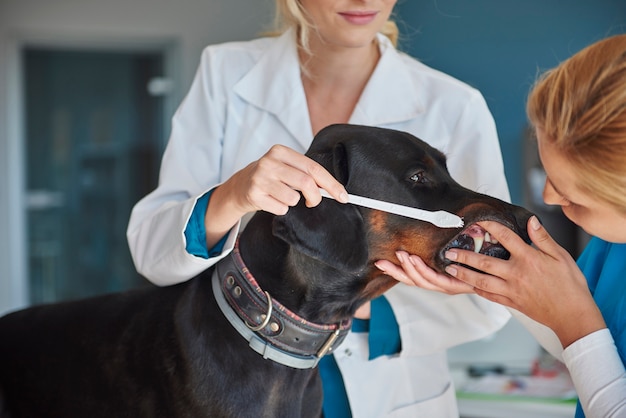
The good news is that most dental disease is preventable with the right combination of professional care and at-home maintenance. Brushing your pet’s teeth regularly is the most effective way to remove plaque before it turns into tartar. Many pet owners are surprised to learn that most cats and dogs can be trained to accept tooth brushing when introduced gradually using pet-safe toothpaste and a soft-bristled brush.
If daily brushing isn’t possible, even a few times a week can make a significant difference. Dental treats and chews that are approved by the Veterinary Oral Health Council (VOHC) can also help reduce plaque and tartar buildup. Some pets benefit from dental-specific diets designed to clean the teeth as they chew.
Providing toys that encourage safe chewing can support oral health, but it’s important to avoid very hard objects like bones or antlers, which can cause tooth fractures. Always supervise your pet with new toys and treats to ensure they are chewing safely. Fresh water should be available at all times, as hydration helps rinse away food particles and bacteria.
Regular wellness visits are essential for monitoring your pet’s dental health over time. During your pet’s wellness examination, our veterinary team will check for early signs of dental disease and discuss strategies tailored to your pet’s lifestyle and risk factors. Early intervention can prevent minor issues from turning into major problems.
Remember, consistency is key. Making dental care a regular part of your pet’s routine—just like feeding and exercise—will help ensure a healthier, happier life.
When to Schedule a Veterinary Dental Visit
While at-home care is important, some dental issues require prompt attention from a veterinary professional. You should schedule an appointment if your pet has persistent bad breath, visible tartar, red or bleeding gums, or any signs of pain when eating or playing with toys. Other situations that warrant a visit include loose or missing teeth, difficulty chewing, swelling around the mouth or face, or discharge from the nose or mouth.
If your pet seems lethargic, loses interest in food, or you notice any changes in their normal behavior, it’s always best to err on the side of caution and have them evaluated. Dental disease can progress quickly, especially in older pets or those with underlying health conditions. The earlier we catch and treat problems, the better the outcome for your pet.
Routine dental checkups should be scheduled at least once a year as part of your pet’s ongoing health plan. Some animals, particularly those with a history of dental issues or small breed dogs, may benefit from more frequent evaluations.
If you’re unsure whether your pet needs a dental visit, our veterinary professionals are happy to answer your questions and help you determine the best next step. Never attempt to treat dental problems at home without veterinary guidance; some conditions require specialized care to resolve safely.
Keeping Your Pet’s Smile Healthy All Year Long
Dental health is a year-round priority, but February’s chilly weather is a timely reminder to check in on your cat or dog’s smile. By watching for early signs of dental disease, practicing good home care habits, and partnering with a trusted veterinary team, you can help your pet enjoy a pain-free, vibrant life.
At Alpharetta Animal Hospital, we’re committed to making dental care easy and stress-free for both you and your pet. Whether you need a professional pet dental cleaning, advanced dental radiography, or a comprehensive wellness examination, our veterinarians are here to guide you every step of the way. If you’ve been searching for a “vet near me” who truly understands the importance of oral health, look no further.
To schedule your pet’s dental checkup or to ask about our preventive care options, call 770) 475-7613 or visit us at 80 Milton Avenue, Alpharetta, GA 30009. Our veterinary team is always happy to answer your questions and provide the compassionate care your pet deserves. Together, let’s make this February the start of a healthier, happier smile for your furry companion.
This article is intended for educational purposes only and should not be used as a substitute for professional veterinary advice. If you have concerns about your pet’s dental health, please consult your veterinarian for personalized care recommendations.