How to Recognize Lameness in Pets Early
How to Recognize Lameness in Pets Early
Does your dog suddenly hesitate to go for walks, or has your usually playful cat started to favor one leg? Lameness in pets is a concern that many Alpharetta pet owners face, often leaving you wondering if your pet’s limp is a minor issue or a sign of something more serious. At Alpharetta Animal Hospital, located conveniently at 80 Milton Avenue, Alpharetta, GA 30009, our veterinary team understands how stressful it can feel to see your furry companion in discomfort. Early recognition of lameness is crucial for your pet’s long-term health and mobility. In this guide, we’ll explain how to spot early signs of lameness in pets, review common causes in both dogs and cats, discuss how our veterinary professionals diagnose and treat these issues, and share tips for prevention and home care. You’ll also learn when it’s time to schedule a comprehensive pet examination to ensure your pet receives prompt relief.
Whether you’re searching for a "vet near me" because your pet is limping, or you’re simply looking to understand pet mobility issues better, our team is here to help. As your trusted source for veterinary services in Alpharetta and surrounding communities, we’re committed to keeping your pets active, comfortable, and healthy. If you notice changes in your pet’s gait or behavior, consider booking a wellness examination to address concerns before they progress.
Recognizing the Early Signs of Lameness in Pets
Identifying lameness in pets early can make a significant difference in their recovery and comfort. Lameness, often referred to as limping, is any abnormality in the way your pet walks or moves. For pet owners in Alpharetta, subtle changes in movement can be easy to miss, especially in the early stages, but observing your pet closely can reveal important clues.
Key symptoms of lameness in pets include favoring one leg, holding a limb off the ground, or showing reluctance to walk, run, or jump. Some pets may display stiffness after resting, while others might seem hesitant to climb stairs or get into the car. Additional signs of pet limping can include changes in posture, swelling or heat in a limb, licking or chewing at a specific area, and audible signs of discomfort such as yelping or meowing when the affected limb is touched.
In dogs, you might notice a “head bob” with each step or a tendency to avoid putting weight on a particular paw. Cats tend to hide their discomfort more, so you may observe your cat spending more time resting, avoiding favorite perches, or hesitating before jumping. If your pet suddenly becomes less active or shows any of these changes in movement, it’s important to monitor the situation closely.
While occasional mild limping may resolve on its own, persistent or worsening symptoms should never be ignored. Early recognition and intervention from your veterinary team can make a dramatic difference in your pet’s recovery and prevent more serious complications.
Common Causes of Lameness in Dogs and Cats
Understanding the underlying causes of lameness in pets can help you make informed decisions about their care. Lameness can result from a wide variety of issues, ranging from minor injuries to chronic health conditions. In Alpharetta and surrounding areas, pets may experience lameness due to both everyday activities and regional factors like slippery surfaces in rainy weather or increased outdoor activity during mild seasons.
Trauma or injury is a frequent cause of lameness in active pets, with sprains, strains, and soft tissue injuries resulting from running, jumping, or rough play. Broken bones, dislocated joints, or torn ligaments are more serious injuries that require immediate veterinary attention. In some cases, lacerations or foreign objects like thorns or glass can cause sudden limping, particularly in outdoor pets.
Arthritis is another leading cause, especially in older pets or breeds prone to joint issues. Degenerative joint disease leads to chronic stiffness, pain, and reduced mobility over time. Other orthopedic conditions, like hip dysplasia, luxating patella, or intervertebral disc disease, frequently cause lameness in specific breeds.
Infections or inflammation, such as abscesses, cellulitis, or tick-borne diseases, can also result in lameness. Pets with underlying metabolic or immune-mediated conditions may develop joint pain as part of their symptoms. Less commonly, lameness can be a sign of bone tumors or neurological disorders affecting coordination.
Paw problems like overgrown nails, cracked pads, or insect stings are often overlooked but can be a source of acute pet limping. For cats, declawing complications or ingrown claws may be culprits. Regardless of the cause, it is vital to have any persistent lameness professionally evaluated to determine the best course of action.
How Veterinary Professionals Diagnose and Treat Lameness
When your pet shows signs of lameness, timely evaluation at a veterinary clinic is essential for an accurate diagnosis and effective treatment. At Alpharetta Animal Hospital, our veterinarians use a combination of physical examinations, advanced diagnostic tools, and individualized care plans to address lameness in pets.
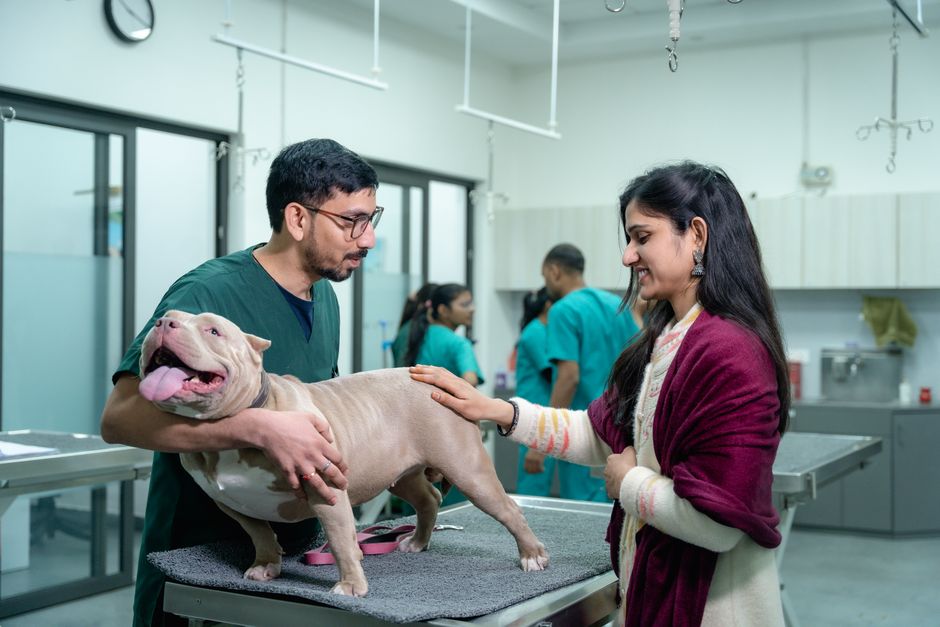
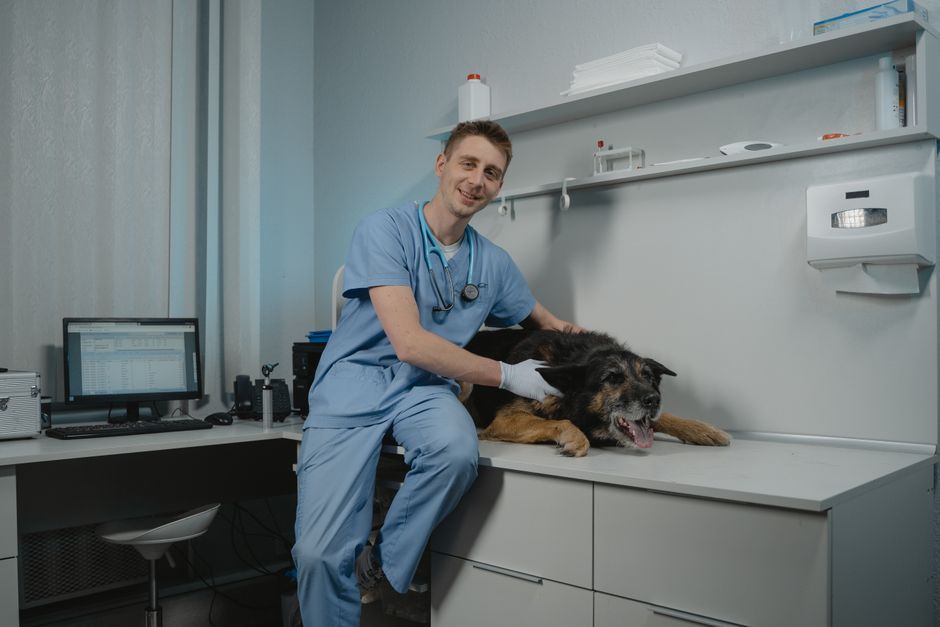
During your pet’s visit, our veterinary professionals will take a thorough history, asking about the onset and duration of symptoms, any recent injuries, and changes in behavior. A comprehensive physical examination will assess your pet’s gait, posture, and range of motion. The veterinarian will palpate limbs and joints for signs of pain, swelling, or instability.
If the cause of lameness is not immediately apparent, further diagnostic testing may be recommended. Digital radiology allows us to visualize bones and joints, helping diagnose fractures, dislocations, or arthritis. In some cases, diagnostic laboratory services such as bloodwork or joint fluid analysis can identify underlying infections, immune conditions, or tick-borne diseases.
Treatment for lameness in pets in Alpharetta depends on the underlying cause and the severity of symptoms. Management approaches may include rest, anti-inflammatory medications, and pain relief for mild injuries or early arthritis. Physical therapy, weight management, and joint supplements can support long-term mobility and comfort. For more severe injuries, such as ligament tears or fractures, surgical intervention may be necessary; our veterinary team is equipped to perform a range of soft tissue and orthopedic procedures as needed.
Wound care, antibiotics, or parasite control may be appropriate if infection, abscess, or external injury is present. For chronic conditions like arthritis, ongoing management with regular veterinary check-ups, pain control strategies, and mobility aids can greatly improve quality of life.
Throughout your pet’s treatment, our veterinarians will work closely with you to develop a tailored plan that addresses their unique needs and supports the best possible outcome.
Preventing Lameness and Supporting Your Pet at Home
While some causes of lameness are unavoidable, there are several steps pet owners can take to reduce the risk and support their pet’s joint health. Preventive care is a cornerstone of our approach at Alpharetta Animal Hospital, as it helps detect mobility issues before they become advanced.
Maintaining a healthy weight is one of the most effective ways to prevent joint strain and reduce the risk of arthritis in pets. Regular, controlled exercise tailored to your pet’s age and breed can strengthen muscles and support joint health, while minimizing the risk of acute injuries from overexertion. Providing a safe environment, such as non-slip flooring and ramps for older pets, can prevent slips and falls.
Routine nail trims, paw inspections, and prompt attention to wounds or foreign objects can help avoid paw-related lameness. Scheduling regular wellness examinations allows our veterinary professionals to monitor your pet’s joint health and catch early warning signs of arthritis or orthopedic disease.
At home, watch for subtle changes in your pet’s activity or gait, and encourage gentle exercise suited to their abilities. For pets with known joint issues, your veterinarian may recommend supportive therapies or supplements. Collaboration with your veterinary team is essential for developing a home care routine that keeps your pet comfortable and active.
When to Schedule a Veterinary Visit for Pet Limping
Knowing when to seek professional help for lameness in pets is crucial. While some mild limps may resolve with rest and observation, certain warning signs should prompt a veterinary visit without delay.
You should schedule an appointment if your pet’s limp persists for more than 24-48 hours, worsens over time, or is accompanied by other symptoms such as swelling, heat, significant pain, or fever. Sudden and severe lameness, inability to bear weight, or visible deformity of a limb require immediate evaluation, as these may indicate fractures or ligament injuries. Pets who become lethargic, lose their appetite, or show signs of systemic illness should also be seen promptly.
If your pet has a pre-existing health condition, is elderly, or is on long-term medications, any change in mobility warrants a veterinary check-up. Early intervention by your veterinary team can prevent complications and improve the chances of a full recovery.
At Alpharetta Animal Hospital, we are committed to providing quality veterinary services in Alpharetta and ensuring every pet receives attentive, compassionate care. Our appointment-based system allows us to thoroughly evaluate each case and create a treatment plan tailored to your pet’s needs.
Take the First Step Toward Your Pet’s Mobility and Comfort
Lameness in pets can be distressing for both pet and owner, but early recognition and prompt care make a world of difference. If you’ve noticed your pet limping or showing signs of discomfort, don’t wait for symptoms to worsen. Our veterinary team at Alpharetta Animal Hospital is here to provide thorough, compassionate care, from advanced diagnostics to ongoing management and preventive guidance.
We encourage pet owners in Alpharetta and surrounding communities to schedule a comprehensive pet exam if you notice any changes in your pet’s movement, gait, or activity level. Addressing lameness early ensures your pet can return to their happy, active self as soon as possible. For those searching for a "quality vet near me," our team is dedicated to delivering the highest standard of care right here in your neighborhood.
To schedule your pet’s appointment or to discuss concerns about lameness and mobility issues, call us at (770) 475-7613. You can also visit us at 80 Milton Avenue, Alpharetta, GA 30009. For more information on our diagnostic capabilities, explore our digital radiology services and let us help you keep your furry family members healthy, comfortable, and thriving.
This article is for informational purposes only and should not replace professional veterinary advice. Always consult your veterinarian if you have concerns about your pet’s health or mobility.